
Ear Wax Removal Course
Master every clinically approved method for safe, effective ear wax removal — from microsuction and irrigation to manual instrumentation. This course gives you the anatomical knowledge, hands-on technique, and professional governance skills to practise with confidence. Whether you're entering ear care or expanding your clinical scope, this is the complete training you need.
What your team will master:
You'll build a thorough understanding of ear anatomy, cerumen physiology, and the contraindications that determine whether a procedure is safe to perform. The course covers three core removal techniques — microsuction, ear irrigation, and manual instrumentation — along with patient assessment, informed consent, and infection control protocols. You'll also learn how to adapt your approach for paediatric patients, elderly adults, and hearing aid users. Clinical governance, record keeping, and adverse event reporting are included to prepare you for real-world professional practice. By the end, you'll have the skills to assess, treat, and refer patients appropriately across a wide range of clinical presentations.
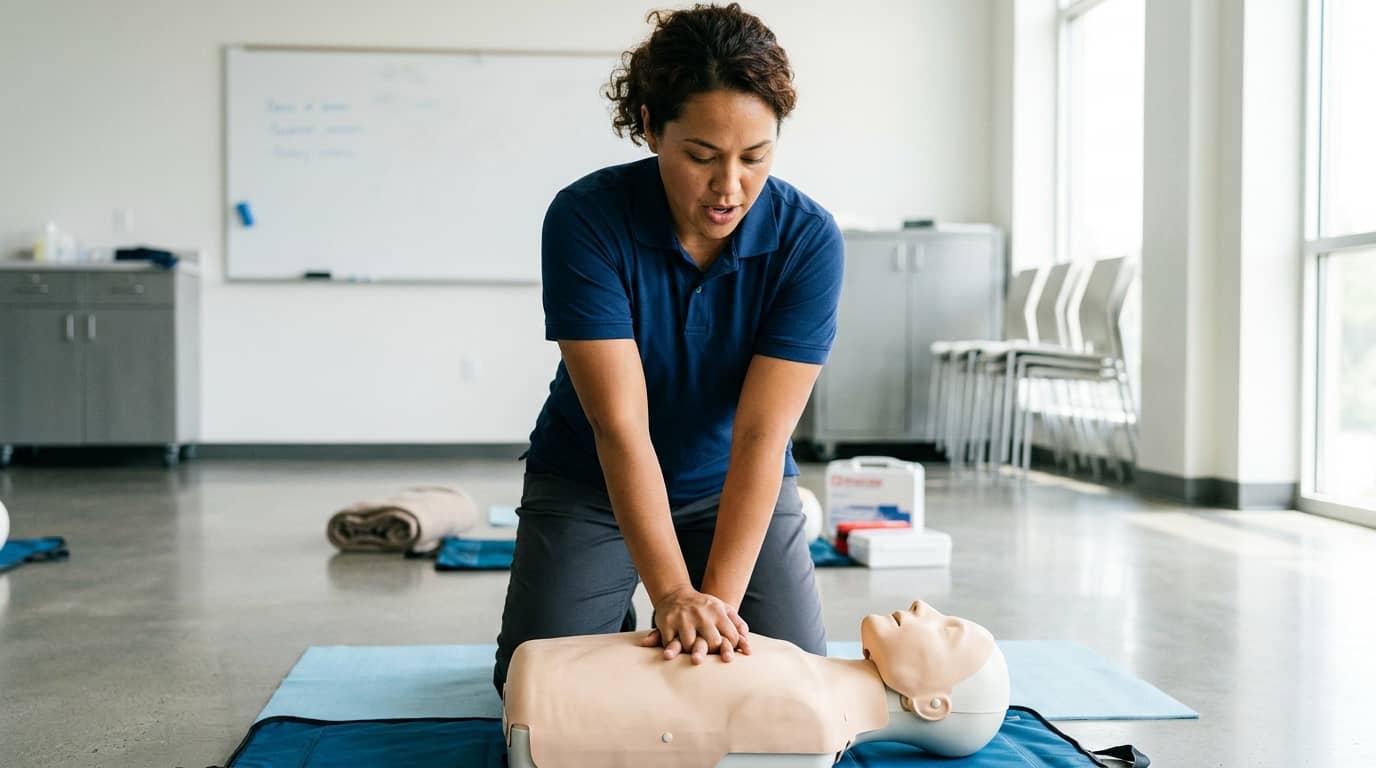
How your team learns in practice Ear Wax Removal Course
How your team practises Ear Wax Removal Course
Professionals from these companies study at Dedika



Course content
8 Chapters • 37 LessonsDuration between 4 and 360 hours (you decide)
Chapter 1HideHide detailsSee detailsFoundations of Ear Anatomy and Physiology
Foundations of Ear Anatomy and Physiology
Lesson 1 • External Ear Structure and Landmarks
Covers the pinna, ear canal shape, and skin lining characteristics. Establishes the anatomical baseline required for safe instrument navigation.
Lesson 2 • Pathological Cerumen Accumulation
Identifies causes and risk factors for impaction, including canal anatomy and hearing aid use. Links pathology to clinical presentation and patient symptoms.
Lesson 3 • Tympanic Membrane Anatomy
Examines the eardrum's layers, landmarks, and normal appearance. Provides the visual reference needed to distinguish healthy from abnormal membranes.
Lesson 4 • Cerumen Composition and Function
Explains the biochemical makeup of cerumen and its antimicrobial and lubricating roles. Contextualises why removal is sometimes necessary and sometimes harmful.
Chapter 2HideHide detailsSee detailsInfection Control and Clinical Safety
Infection Control and Clinical Safety
Lesson 1 • Contraindications and Risk Assessment
Identifies absolute and relative contraindications to ear wax removal procedures. Enables practitioners to screen patients and defer or modify treatment safely.
Lesson 2 • Equipment Decontamination Protocols
Teaches cleaning, disinfection, and sterilisation levels appropriate for ear instruments. Prevents cross-contamination between patients.
Lesson 3 • Standard Precautions in Ear Care
Covers hand hygiene, personal protective equipment selection, and transmission-based precautions. Grounds all subsequent clinical work in a safety-first mindset.
Lesson 4 • Waste Disposal and Environmental Safety
Addresses safe disposal of clinical waste, sharps, and contaminated materials. Ensures compliance with healthcare waste management standards.
Chapter 3HideHide detailsSee detailsPatient Assessment and History Taking
Patient Assessment and History Taking
Lesson 1 • Otoscopic Examination Technique
Teaches correct otoscope handling, speculum sizing, and canal straightening manoeuvres. Builds the visual assessment skill central to all removal decisions.
Lesson 2 • Structured Clinical History Framework
Introduces a systematic questioning sequence covering ear symptoms, medical history, and medications. Ensures no clinically significant information is missed before treatment.
Lesson 3 • Informed Consent Process
Explains the ethical and legal basis for consent, including risks, benefits, and alternatives. Prepares students to obtain and document valid consent before every procedure.
Lesson 4 • Referral Decision Making
Establishes criteria for referring patients to specialist care rather than proceeding with removal. Integrates assessment findings into a safe clinical pathway.
Lesson 5 • Documenting Assessment Findings
Covers accurate recording of otoscopic findings, patient history, and consent status. Creates a defensible clinical record that supports continuity of care.
Chapter 4HideHide detailsSee detailsEar Irrigation Technique
Ear Irrigation Technique
Lesson 1 • Complications and Adverse Event Management
Identifies irrigation-related complications including vertigo, otitis externa, and perforation. Prepares students to recognise, respond to, and document adverse events.
Lesson 2 • Irrigation Equipment and Setup
Introduces electronic irrigators, manual syringes, and associated accessories. Correct setup prevents equipment-related adverse events before the procedure begins.
Lesson 3 • Post-Irrigation Assessment and Drying
Covers otoscopic re-examination after irrigation and canal drying methods. Confirms wax removal success and prevents residual moisture complications.
Lesson 4 • Pre-Irrigation Softening Agents
Reviews evidence-based softening drops and their application timing before irrigation. Softening reduces procedure time and lowers the risk of canal trauma.
Lesson 5 • Irrigation Procedure Execution
Provides step-by-step technique for directing water flow safely along the canal wall. Correct angulation and pressure prevent tympanic membrane injury.
Chapter 5HideHide detailsSee detailsMicrosuction Technique
Microsuction Technique
Lesson 1 • Managing Difficult Wax Presentations
Addresses hard, impacted, or deeply lodged cerumen requiring modified technique. Builds adaptive skills for cases that exceed standard microsuction approaches.
Lesson 2 • Suction Technique and Probe Control
Teaches controlled probe insertion, wax engagement, and extraction movements. Precise technique minimises canal wall contact and patient discomfort.
Lesson 3 • Noise-Induced Risk and Hearing Protection
Explains the acoustic trauma risk from suction noise and protective strategies. Ensures practitioners safeguard both patient and operator hearing during procedures.
Lesson 4 • Microsuction Equipment Overview
Introduces suction units, Zoellner and Frazier probes, and magnification systems. Familiarity with equipment prevents setup errors that compromise safety.
Lesson 5 • Magnification and Visualisation Skills
Trains binocular coordination and depth perception under magnification. Accurate visualisation is the prerequisite for safe instrument placement in the canal.
Chapter 6HideHide detailsSee detailsManual Instrument Removal Techniques
Manual Instrument Removal Techniques
Lesson 1 • Combining Methods for Complex Cases
Demonstrates integrating manual instruments with microsuction or irrigation for resistant wax. Builds clinical judgment for selecting and sequencing multiple techniques.
Lesson 2 • Extraction Movements and Technique
Covers lateral-to-medial engagement and smooth outward extraction of cerumen. Correct movement sequence avoids pushing wax deeper or traumatising the canal.
Lesson 3 • Instrument Types and Selection
Surveys wax curettes, hooks, crocodile forceps, and Jobson Horne probes. Correct instrument choice depends on wax consistency, location, and canal anatomy.
Lesson 4 • Grip, Control, and Stabilisation
Teaches pencil grip, finger bracing, and hand stabilisation against the patient's head. Controlled grip prevents sudden instrument advancement and canal injury.
Chapter 7HideHide detailsSee detailsPaediatric and Special Population Considerations
Paediatric and Special Population Considerations
Lesson 1 • Anatomical Differences in Children
Highlights canal orientation, membrane fragility, and cerumen characteristics in paediatric patients. Anatomical awareness prevents technique errors specific to younger ear canals.
Lesson 2 • Elderly Patient Adaptations
Addresses dry, hard cerumen, skin fragility, and hearing aid-related impaction common in older adults. Modified technique and communication improve outcomes for this population.
Lesson 3 • Patients with Disabilities and Complex Needs
Adapts consent, positioning, and technique for patients with cognitive or physical disabilities. Inclusive practice ensures safe, dignified care for all patient groups.
Lesson 4 • Behavioural Management for Paediatric Patients
Covers distraction, positioning, and caregiver involvement to manage movement during procedures. Effective behavioural strategies reduce procedural risk and patient distress.
Lesson 5 • Hearing Aid Users and Ear Canal Devices
Examines how hearing aids, earplugs, and in-ear monitors contribute to impaction and modify removal approach. Addresses device-specific aftercare and patient education.
Chapter 8HideHide detailsSee detailsClinical Governance and Professional Practice
Clinical Governance and Professional Practice
Lesson 1 • Continuing Professional Development
Outlines CPD requirements, reflective practice, and evidence-based updating of clinical skills. Ongoing development maintains competence and professional registration standing.
Lesson 2 • Adverse Event Reporting and Learning
Establishes processes for reporting incidents, near misses, and complaints within a no-blame culture. Systematic reporting drives service improvement and prevents recurrence.
Lesson 3 • Quality Improvement in Ear Care Services
Introduces audit cycles, patient feedback analysis, and service benchmarking. Applies quality improvement tools to elevate the standard of ear wax removal services.
Lesson 4 • Regulatory and Scope of Practice Frameworks
Explains professional registration, scope of practice boundaries, and regulatory oversight relevant to ear care practitioners. Defines the legal and ethical limits of independent practice.
Lesson 5 • Clinical Record Keeping Standards
Covers mandatory documentation elements, storage requirements, and patient access rights. Accurate records protect practitioners and support continuity of patient care.
Your valid completion certificate
This course is for you:
Registered nurses: seeking to add a specialised, revenue-generating procedure to their practice.
Audiologists: wanting formal removal technique training to complement their hearing assessments.
Paramedics or EMTs: looking to transition into a clinic-based, elective healthcare speciality.
GP practice staff: aiming to bring ear wax removal services in-house for their patients.
Career changers: entering healthcare through a focused, high-demand clinical skill set.
Hearing aid dispensers: needing safe removal skills to support their device-fitting clients.
Related courses







FAQ
Who is Dedika?
Is the certificate valid in the United Kingdom?
Are the courses free?
What is the course workload?
What are the courses like?
How do the courses work?
What is the duration of the courses?
What is the cost or price of the courses?
What is an EAD or online course and how does it work?
PDF Course