
Hydraulic Hose Crimping Training
Master every step of hydraulic hose crimping, from workplace safety and hose preparation to machine calibration and quality verification. This training gives you the hands-on knowledge to produce reliable, specification-compliant hose assemblies every time. Whether you work in a fabrication shop or in the field, this course builds the skills that keep hydraulic systems running safely.
What your team will master:
You will learn how to identify hose types, pressure ratings, and fitting styles, then select the right dies and machine settings for each job. The course covers safe handling of hydraulic fluids, proper PPE use, and emergency response procedures specific to crimping environments. You will practice cutting and skiving hose ends, inserting fittings to correct depth, and executing consistent crimp strokes. Quality control methods including dimensional measurement, visual inspection, and proof pressure testing are covered in detail. You will also study troubleshooting techniques for common crimping defects and field repair procedures using portable equipment.
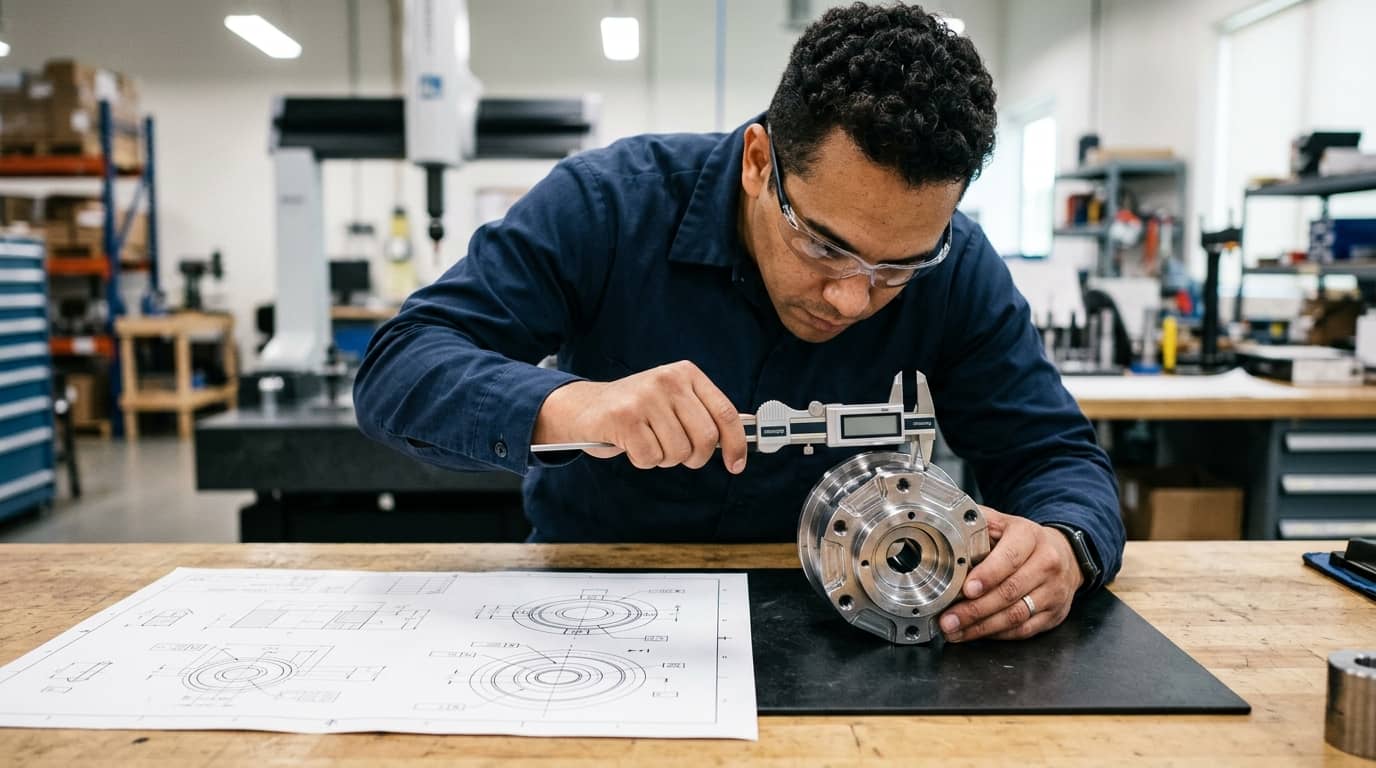
How your team learns in practice Hydraulic Hose Crimping Training
How your team practices Hydraulic Hose Crimping Training
Professionals from these companies study at Dedika



Course content
8 Chapters • 38 LessonsDuration between 4 and 360 hours (you decide)
Chapter 1HideHide detailsSee detailsWorkplace Safety and Hazard Awareness
Workplace Safety and Hazard Awareness
Lesson 1 • Fluid and Chemical Safety
Covers safe handling of hydraulic fluids, solvents, and lubricants used in assembly. Addresses skin contact, inhalation risks, and proper disposal of contaminated materials.
Lesson 2 • Emergency Procedures and Reporting
Outlines first-aid response, incident reporting, and equipment lockout steps. Ensures students can act decisively when accidents or near-misses occur.
Lesson 3 • Hydraulic Injection Injury Hazards
Explains the mechanism and severity of high-pressure fluid injection injuries. Motivates strict safe-work practices before any hands-on crimping activity begins.
Lesson 4 • Shop Housekeeping and Ergonomics
Defines workstation organization, slip-trip prevention, and ergonomic lifting techniques. Reduces injury risk and improves efficiency during high-volume hose production.
Lesson 5 • Personal Protective Equipment
Specifies PPE selection for eye, hand, and body protection during hose fabrication. Connects each PPE item to the specific hazard it mitigates in the shop environment.
Chapter 2HideHide detailsSee detailsFoundations of Hydraulic Hose Systems
Foundations of Hydraulic Hose Systems
Lesson 1 • System Pressure and Rating Concepts
Defines working pressure, burst pressure, and safety factors for hose assemblies. Grounds students in the engineering limits that govern safe crimping outcomes.
Lesson 2 • Fitting Types and Terminology
Introduces end-fitting styles, thread forms, and sealing methods used in hydraulic assemblies. Provides vocabulary essential for all subsequent crimping and assembly work.
Lesson 3 • Hose Identification and Classification
Teaches industry-standard dash sizing, pressure ratings, and temperature ranges. Enables accurate hose selection from manufacturer catalogs and specification sheets.
Lesson 4 • Hose Construction and Materials
Examines inner tube compounds, reinforcement layers, and outer cover materials. Links material selection to pressure rating, fluid compatibility, and service life.
Lesson 5 • Hydraulic Fluid Power Basics
Covers Pascal's law, pressure transmission, and flow dynamics in hydraulic circuits. Establishes the physics context needed to understand hose function and failure.
Chapter 3HideHide detailsSee detailsCrimping Equipment and Tooling
Crimping Equipment and Tooling
Lesson 1 • Machine Calibration and Setup
Covers micrometer adjustment, stroke setting, and crimp diameter verification procedures. Proper calibration ensures every crimp meets manufacturer specification.
Lesson 2 • Measuring Tools for Crimping
Introduces crimp diameter gauges, calipers, and go/no-go gauges used in quality verification. Accurate measurement is the primary quality control step after crimping.
Lesson 3 • Types of Crimping Machines
Compares bench-top, portable, and automated crimping machines by capacity and application. Guides appropriate machine selection based on hose size and production volume.
Lesson 4 • Die Sets and Collets
Explains die geometry, collet sizing, and the relationship between die selection and crimp diameter. Incorrect die choice is a leading cause of assembly failure.
Lesson 5 • Equipment Maintenance and Inspection
Details daily, weekly, and periodic maintenance tasks for crimping machines and tooling. Consistent maintenance prevents dimensional drift and unplanned downtime.
Chapter 4HideHide detailsSee detailsHose Cutting and Preparation
Hose Cutting and Preparation
Lesson 1 • Measuring and Marking Hose Length
Teaches overall assembly length calculation, cut-length allowance, and marking techniques. Accurate length ensures correct routing and fitting engagement after crimping.
Lesson 2 • Hose End Cleanliness Standards
Covers contamination sources, flushing procedures, and end-cap practices for cut hose ends. Contamination is a primary cause of hydraulic system failure in service.
Lesson 3 • Skiving and End Preparation
Explains when skiving is required, skive depth specifications, and skiving tool operation. Proper skiving ensures full fitting stem engagement and correct crimp zone.
Lesson 4 • Hose Cutting Methods and Tools
Compares rotary blade, abrasive wheel, and cold-cut saw methods for different hose constructions. Correct cutting method prevents frayed wire and contamination.
Chapter 5HideHide detailsSee detailsFitting Insertion and Pre-Crimp Assembly
Fitting Insertion and Pre-Crimp Assembly
Lesson 1 • Pre-Crimp Assembly Inspection
Establishes a systematic visual and dimensional check before the hose enters the crimper. Catching defects at this stage prevents wasted fittings and rework costs.
Lesson 2 • Fitting Insertion Depth Requirements
Defines insertion depth marks, stem engagement length, and visual verification methods. Under-insertion is a critical defect that causes fitting ejection under pressure.
Lesson 3 • Lubrication for Fitting Insertion
Specifies approved lubricants, application methods, and quantities for hose and fitting assembly. Correct lubrication prevents inner tube damage during stem insertion.
Lesson 4 • Fitting Orientation and Clocking
Explains angular orientation requirements for angled and swivel fittings before crimping. Incorrect clocking causes routing interference and assembly rejection.
Chapter 6HideHide detailsSee detailsThe Crimping Process
The Crimping Process
Lesson 1 • Crimping Different Hose and Fitting Combinations
Addresses die and setting changes required for spiral hose, large-bore hose, and specialty fittings. Builds adaptability across the full range of production scenarios.
Lesson 2 • Executing the Crimp Stroke
Details machine actuation sequence, stroke completion indicators, and release procedure. Consistent stroke execution is the core skill that determines crimp repeatability.
Lesson 3 • Common Crimping Defects and Causes
Identifies under-crimp, over-crimp, oval crimp, and ferrule cracking defects with root causes. Defect recognition enables immediate corrective action before assemblies enter service.
Lesson 4 • Crimp Diameter Measurement
Teaches measurement location, axis orientation, and acceptance criteria for finished crimps. Diameter measurement is the primary quantitative quality gate for every assembly.
Lesson 5 • Loading the Assembly into the Crimper
Covers die positioning, assembly centering, and alignment checks before actuating the machine. Misalignment produces oval crimps and uneven ferrule compression.
Chapter 7HideHide detailsSee detailsQuality Control and Assembly Verification
Quality Control and Assembly Verification
Lesson 1 • Dimensional Verification Methods
Covers overall length measurement, crimp diameter confirmation, and insertion depth verification. Dimensional checks confirm the assembly matches the engineering specification.
Lesson 2 • Assembly Marking and Traceability
Establishes labeling requirements, batch coding, and traceability records for finished assemblies. Traceability enables rapid field recall and root-cause analysis of failures.
Lesson 3 • Non-Conformance and Rework Procedures
Defines disposition options for rejected assemblies, rework limits, and scrap authorization. Proper non-conformance handling prevents defective assemblies from reaching customers.
Lesson 4 • Proof Pressure Testing
Explains proof test pressure levels, test duration, and pass/fail criteria for hose assemblies. Pressure testing validates structural integrity before assemblies enter service.
Lesson 5 • Visual Inspection of Finished Assemblies
Defines acceptance criteria for ferrule condition, hose cover damage, and fitting alignment. Visual inspection is the first and fastest quality gate after crimping.
Chapter 8HideHide detailsSee detailsAdvanced Assembly Techniques and Troubleshooting
Advanced Assembly Techniques and Troubleshooting
Lesson 1 • Process Optimization and Repeatability
Introduces statistical process control concepts, crimp diameter trending, and machine capability assessment. Optimization reduces scrap rates and improves first-pass quality.
Lesson 2 • Field Repair and Emergency Crimping
Covers portable crimper deployment, field measurement without full tooling, and temporary repair limits. Enables safe, effective hose replacement in remote or time-critical situations.
Lesson 3 • Root-Cause Analysis of Hose Failures
Applies structured failure analysis to burst, leak, and fitting-ejection events using physical evidence. Systematic analysis prevents repeat failures and supports warranty claims.
Lesson 4 • Customer and Application Requirements
Interprets customer engineering drawings, application data sheets, and special approval requirements. Aligns production output with end-use performance and contractual obligations.
Lesson 5 • Crimping Non-Standard Hose Assemblies
Addresses very high-pressure thermoplastic hose, PTFE-lined hose, and extreme-temperature assemblies. Expands competency beyond standard catalog combinations to specialty applications.
Your valid completion certificate
This course is for you:
Hydraulic technician: wants to formalize hands-on crimping skills with structured knowledge.
Maintenance mechanic: needs to fabricate replacement hoses confidently during equipment downtime.
Agricultural equipment operator: handles hose failures in the field far from a service shop.
Vocational student: building a foundation for a career in fluid power or heavy industry.
Shop supervisor: seeking a reliable training standard to onboard new fabrication team members.
Career changer: entering the trades and targeting hydraulic systems as a specialty area.
Related Courses




FAQ
Who is Dedika?
Is the certificate valid in the United States?
Are the courses free?
What is the course workload?
What are the courses like?
How do the courses work?
What is the duration of the courses?
What is the cost or price of the courses?
What is an EAD or online course and how does it work?
PDF Course