
Veterinary Assistant Course
This comprehensive Veterinarian Course gives you the clinical knowledge, diagnostic skills, and professional foundation to practise veterinary medicine with confidence. From animal anatomy and pharmacology to surgery and herd health, every core discipline is covered in rigorous detail. Whether you're entering the profession or expanding your expertise, this course prepares you to deliver exceptional care across species.
What you will learn:
You will build a thorough understanding of animal biology, anatomy, and physiology before advancing into clinical examination, diagnostics, and internal medicine. The course covers veterinary pharmacology, surgical techniques, and anaesthetic protocols so you can manage patients safely from pre-op through anaesthetic recovery. You will study microbiology, immunology, and preventive medicine to design effective vaccination and biosecurity programmes. Supplementary modules address exotic animal medicine, veterinary dermatology, veterinary oncology, dentistry, and practice management. You will also develop professional resilience strategies to sustain a long and rewarding veterinary career.
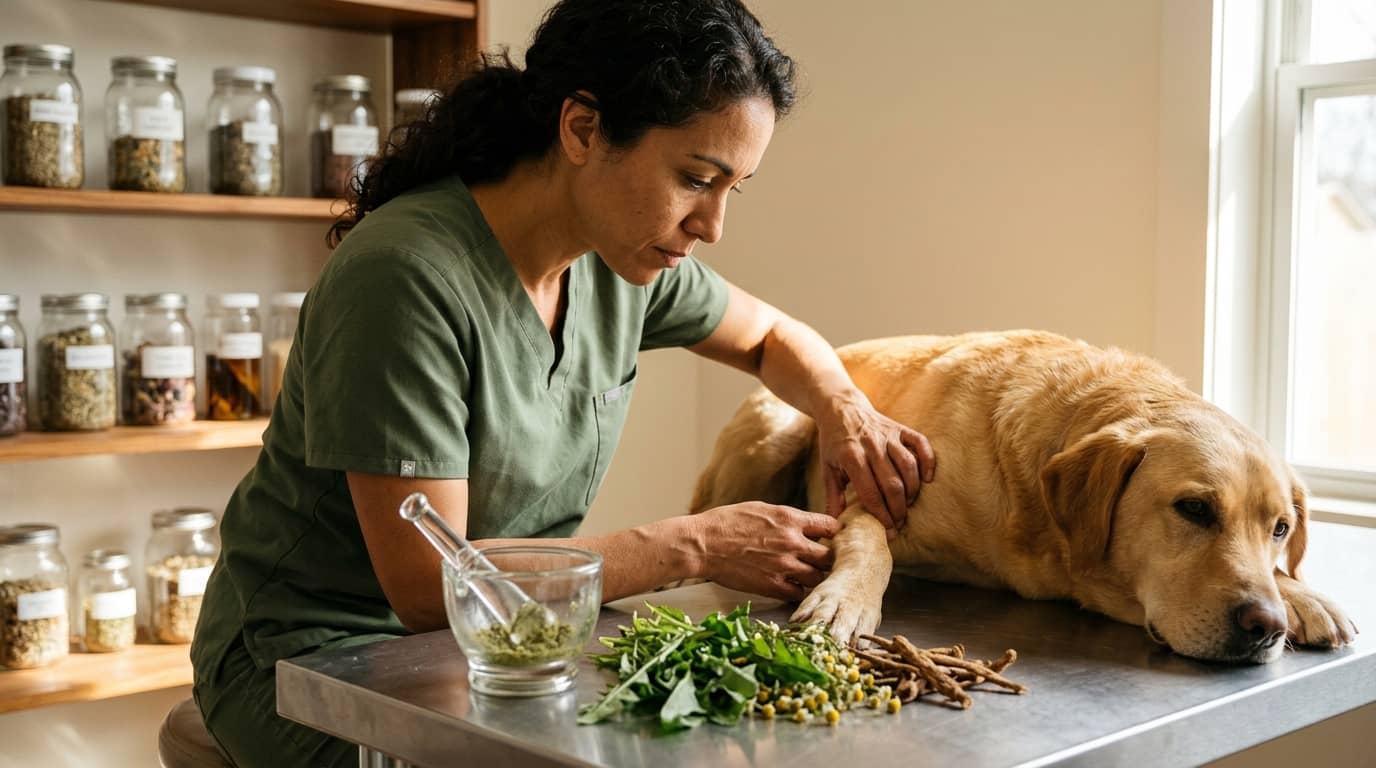
How you study in practice Veterinary Assistant Course
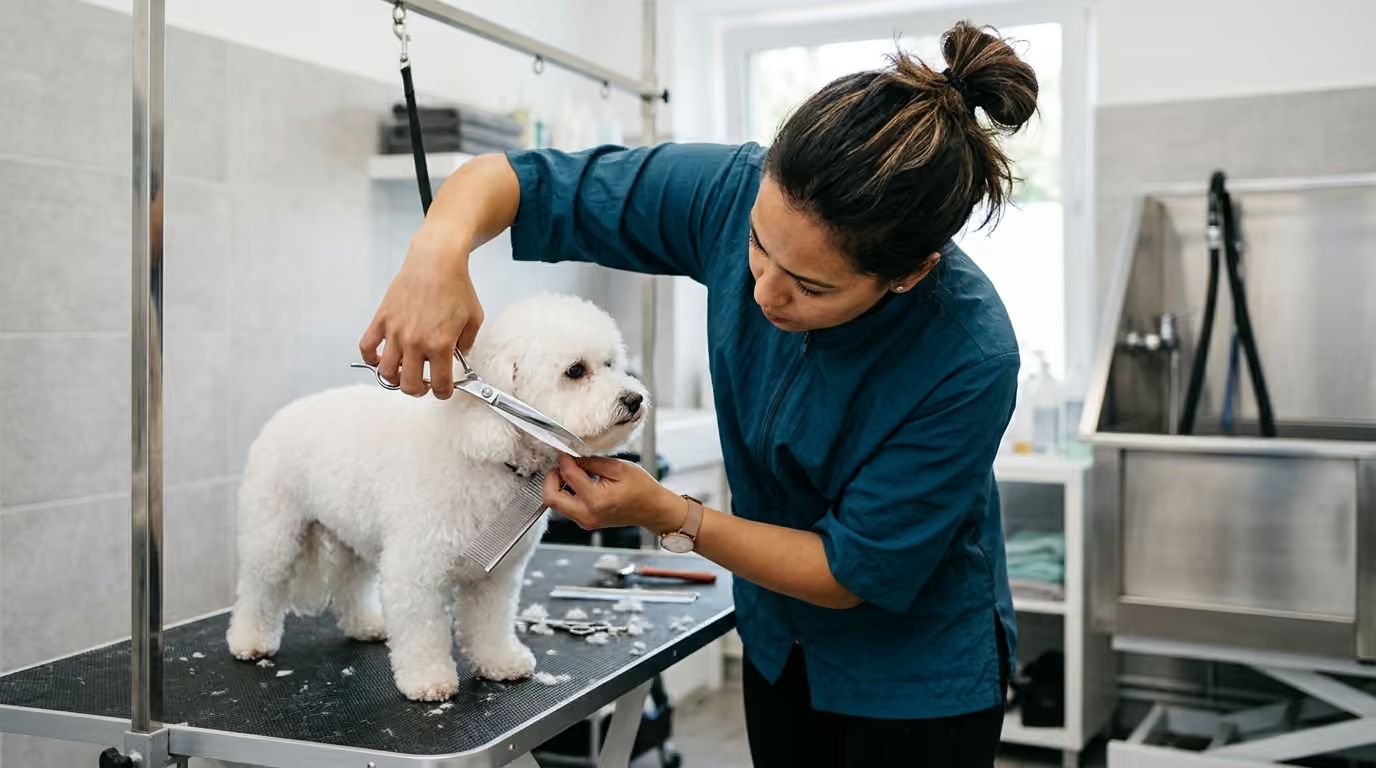
How you practise Veterinary Assistant Course
For companies looking to train their teams
With Dedika for businesses, the course includes exercises and examples tailored to your company and its specific needs.

Course content
8 Chapters • 39 LessonsDuration between 4 and 360 hours (you decide)
Chapter 1HideHide detailsSee detailsFoundations of Veterinary Science
Foundations of Veterinary Science
Lesson 1 • Introduction to the Veterinary Profession
Covers the history, roles, and ethical obligations of veterinarians across sectors. Establishes professional identity and sets expectations for the entire course.
Lesson 2 • Animal Taxonomy and Species Overview
Introduces classification of domestic, livestock, exotic, and wildlife species. Provides the species context needed for anatomy and physiology chapters.
Lesson 3 • Basic Cell and Tissue Biology
Examines cell structure, organelle function, and tissue types found in animals. Underpins understanding of organ systems and disease pathology.
Lesson 4 • Veterinary Terminology and Communication
Teaches anatomical directional terms, medical abbreviations, and clinical record conventions. Enables accurate communication with colleagues and clients throughout training.
Chapter 2HideHide detailsSee detailsAnimal Anatomy and Physiology
Animal Anatomy and Physiology
Lesson 1 • Cardiovascular and Respiratory Systems
Examines heart anatomy, blood circulation, and pulmonary mechanics across species. Supports auscultation skills and cardiopulmonary assessment in later chapters.
Lesson 2 • Nervous and Endocrine Systems
Covers central and peripheral nervous system anatomy and hormonal regulation. Establishes the basis for neurological examination and endocrine disease recognition.
Lesson 3 • Musculoskeletal System
Covers bone structure, joint types, and muscle mechanics in domestic animals. Provides the anatomical basis for orthopaedic examination and surgical procedures.
Lesson 4 • Reproductive System Anatomy
Details male and female reproductive anatomy and the estrous cycle across species. Prepares students for reproductive examination and breeding management topics.
Lesson 5 • Digestive and Urinary Systems
Describes gastrointestinal tract anatomy, digestive physiology, and renal function. Connects to nutritional assessment and urinalysis skills in clinical chapters.
Chapter 3HideHide detailsSee detailsVeterinary Microbiology and Immunology
Veterinary Microbiology and Immunology
Lesson 1 • Bacteriology Fundamentals
Covers bacterial morphology, growth requirements, and pathogenic mechanisms. Directly supports culture interpretation and antibiotic selection in clinical practice.
Lesson 2 • Innate and Adaptive Immunity
Describes physical barriers, phagocytosis, lymphocyte activation, and antibody production. Provides the immunological basis for vaccine design and hypersensitivity reactions.
Lesson 3 • Parasitology
Covers internal and external parasites, life cycles, and zoonotic risks. Enables accurate faecal and blood parasite diagnostics and prevention planning.
Lesson 4 • Virology and Mycology
Examines viral replication cycles, fungal biology, and their disease presentations in animals. Builds knowledge needed for differential diagnosis of infectious diseases.
Lesson 5 • Vaccination and Immunopathology
Covers vaccine types, schedules, and adverse reactions, plus immune-mediated disease mechanisms. Connects immunology theory to preventive medicine protocols.
Chapter 4HideHide detailsSee detailsVeterinary Pharmacology
Veterinary Pharmacology
Lesson 1 • Antimicrobial and Antiparasitic Drugs
Examines antibiotic classes, mechanisms of action, and resistance management strategies. Supports rational prescribing and antimicrobial stewardship in practice.
Lesson 2 • Drug Safety and Regulatory Compliance
Covers controlled substance handling, adverse drug reactions, and food-animal residue avoidance. Ensures students meet legal and ethical prescribing standards.
Lesson 3 • Cardiovascular and Endocrine Drugs
Describes diuretics, antiarrhythmics, insulin, and corticosteroids used in veterinary patients. Connects pharmacology to management of chronic diseases encountered clinically.
Lesson 4 • Pharmacokinetics and Pharmacodynamics
Covers absorption, distribution, metabolism, excretion, and receptor interactions. Establishes the principles used to calculate dosing intervals and predict drug behaviour.
Lesson 5 • Analgesics, Anaesthetics, and Sedatives
Covers opioids, NSAIDs, local anaesthetics, and sedation protocols for each species. Prepares students for safe pain management and anaesthetic induction.
Chapter 5HideHide detailsSee detailsClinical Examination and Diagnostics
Clinical Examination and Diagnostics
Lesson 1 • Systematic Physical Examination
Teaches head-to-tail examination technique, vital sign measurement, and body condition scoring. Forms the foundation for all clinical decision-making in subsequent chapters.
Lesson 2 • Urinalysis and Cytology
Examines urine collection methods, dipstick analysis, sediment evaluation, and cytological sampling. Connects laboratory findings to urinary and tissue disease diagnoses.
Lesson 3 • Problem-Oriented Medical Records
Teaches SOAP note structure, problem list creation, and differential diagnosis ranking. Integrates examination and laboratory findings into a coherent clinical record.
Lesson 4 • Diagnostic Imaging Fundamentals
Introduces radiographic positioning, ultrasound principles, and image interpretation basics. Provides the imaging literacy required for internal medicine and surgery chapters.
Lesson 5 • Haematology and Serum Chemistry
Covers complete blood count interpretation, serum biochemistry panels, and species reference ranges. Enables identification of anaemia, infection, organ dysfunction, and metabolic disorders.
Chapter 6HideHide detailsSee detailsVeterinary Internal Medicine
Veterinary Internal Medicine
Lesson 1 • Cardiorespiratory Disease
Examines congestive heart failure, arrhythmias, pneumonia, and pleural effusion management. Applies auscultation and imaging skills to cardiopulmonary case resolution.
Lesson 2 • Neurological and Musculoskeletal Disorders
Covers neurological examination, intervertebral disc disease, and osteoarthritis management. Integrates neurology and musculoskeletal anatomy into medical and surgical decision-making.
Lesson 3 • Gastrointestinal Disease Management
Covers vomiting, diarrhoea, bloat, and hepatic disease diagnosis and treatment. Builds on digestive physiology and diagnostic skills from earlier chapters.
Lesson 4 • Endocrine and Metabolic Diseases
Examines diabetes mellitus, hypothyroidism, hyperthyroidism, and Cushing's disease. Applies endocrine pharmacology to long-term disease monitoring protocols.
Lesson 5 • Urinary and Reproductive Disorders
Covers urinary tract infections, chronic kidney disease, pyometra, and dystocia management. Connects renal physiology and reproductive anatomy to clinical interventions.
Chapter 7HideHide detailsSee detailsVeterinary Surgery and Anaesthesia
Veterinary Surgery and Anaesthesia
Lesson 1 • Surgical Asepsis and Instrumentation
Covers sterilisation methods, surgical scrub technique, draping, and instrument identification. Establishes sterile field discipline required for all surgical procedures.
Lesson 2 • Orthopaedic Surgery Principles
Covers fracture classification, fixation methods, and cruciate ligament repair techniques. Connects musculoskeletal anatomy to surgical planning and postoperative rehabilitation.
Lesson 3 • Induction, Maintenance, and Monitoring
Teaches induction drug administration, endotracheal intubation, and intraoperative monitoring parameters. Builds competency in recognising and correcting anaesthetic complications.
Lesson 4 • Anaesthetic Patient Assessment and Planning
Covers ASA classification, pre-anaesthetic bloodwork, and anaesthetic risk communication. Ensures safe drug selection and monitoring plans before any procedure begins.
Lesson 5 • Soft Tissue Surgical Techniques
Examines incision, tissue handling, haemostasis, and suture pattern selection for soft tissue surgery. Prepares students for routine procedures including spays, neuters, and wound repair.
Chapter 8HideHide detailsSee detailsPreventive Medicine and Herd Health
Preventive Medicine and Herd Health
Lesson 1 • Nutrition and Body Condition Management
Examines life-stage nutritional requirements, diet label interpretation, and obesity management. Connects physiology and preventive care to long-term patient wellness outcomes.
Lesson 2 • Production Animal Herd Health Programmes
Covers reproductive efficiency monitoring, mastitis control, and parasite management in livestock herds. Integrates economics and welfare into herd health decision-making.
Lesson 3 • Biosecurity and Infection Control
Covers quarantine procedures, traffic flow management, and disinfection protocols for clinics and farms. Reduces pathogen transmission risk in both companion animal and production settings.
Lesson 4 • Epidemiology and Disease Surveillance
Covers incidence, prevalence, sensitivity, specificity, and outbreak investigation methods. Provides the quantitative tools needed to evaluate herd health data and test results.
Lesson 5 • Vaccination Programme Design
Teaches core versus non-core vaccine selection, schedule construction, and herd immunity thresholds. Applies immunology knowledge to species-specific preventive care protocols.
Your valid completion certificate
This course is for you:
Pre-veterinary students: building academic readiness before entering a degree programme.
Veterinary technicians: deepening clinical knowledge to expand their professional responsibilities.
Livestock farmers: seeking science-based tools to manage herd health more effectively.
Wildlife rehabilitators: wanting formal medical grounding to improve animal care outcomes.
Career changers from biology or agriculture: transitioning into veterinary medicine professionally.
Animal shelter managers: aiming to make more informed health and triage decisions.
What our students say
Your lessons are perfect. I purchased the one-year package and finally have the opportunity to follow various topics of interest without needing to change platforms... I'm grateful for everything you do, I've already recommended you to other people...

I like how the lessons are straight to the point and how I can change chapters and skip content I don't need.

I like the content and the way videos are presented and transcribed, which speeds up the process!

The platform is fast, simple to use. The diversity of content and complementary videos really help with learning.

Top qualifications




FAQ
Who is Dedika?
Is the certificate valid in South Africa?
Are the courses free?
What is the course workload?
What are the courses like?
How do the courses work?
What is the duration of the courses?
What is the cost or price of the courses?
What is an EAD or online course and how does it work?
PDF Course