
Animal Massage Course
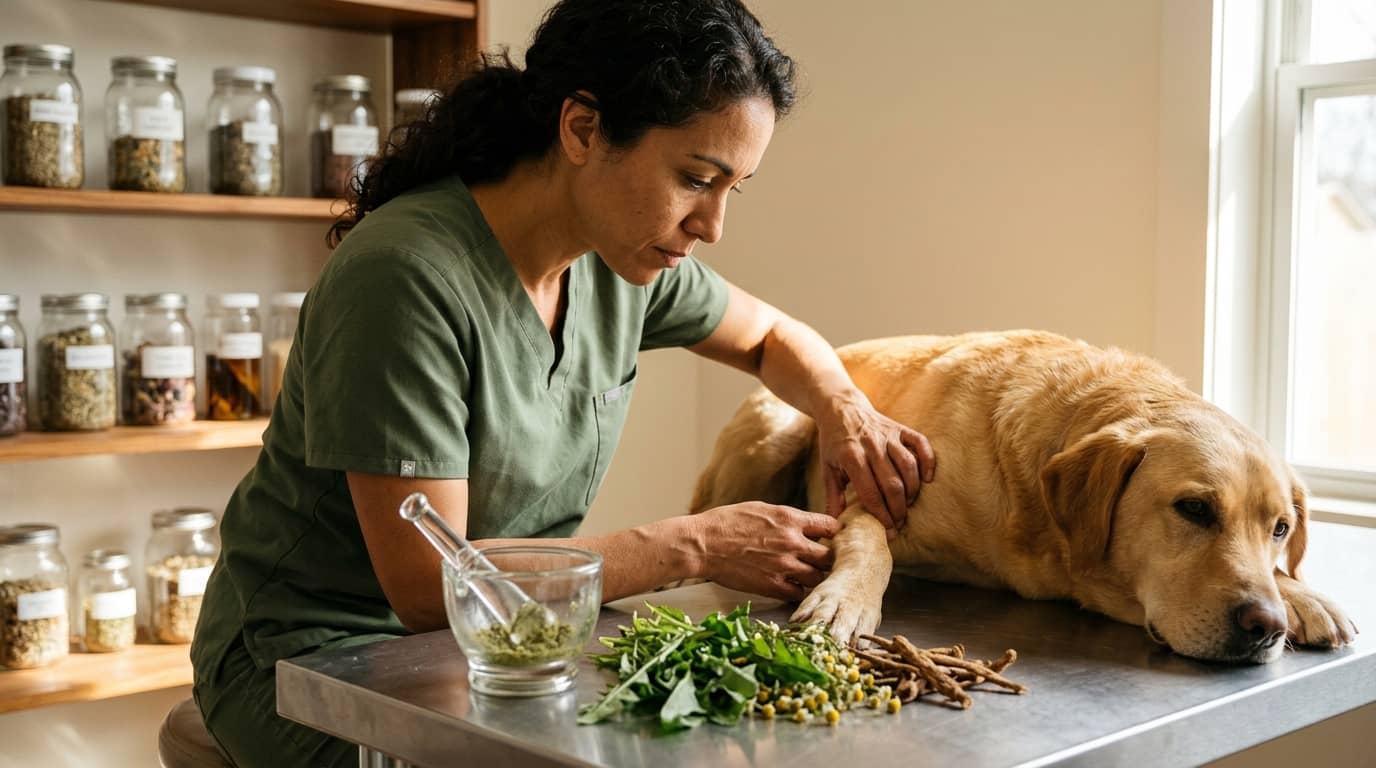
Learn to deliver therapeutic massage to animals with the hands-on knowledge and clinical confidence that owners and veterinary professionals trust. This comprehensive training covers anatomy, species-specific techniques, and professional practice from the ground up. Whether you want to work with horses, dogs, or cats, this course gives you the skills to make a real difference in animal health and wellbeing.
What your team will master:
You will build a complete foundation in animal anatomy, physiology, and the science of therapeutic touch across multiple species. You will master core Swedish-based massage techniques and learn how to apply them safely to specific body regions. The course covers how to assess posture and tissue health, set measurable session goals, and track progress over time. You will develop species-specific protocols for dogs, cats, horses, and small animals, including adaptations for age and condition. You will also gain the professional skills needed to manage client communication, maintain accurate records, and operate within legal and ethical boundaries.
How your team learns in practice Animal Massage Course
How your team practises Animal Massage Course
Professionals from these companies study at Dedika



Course content
8 Chapters • 40 LessonsDuration between 4 and 360 hours (you decide)
Chapter 1HideHide detailsSee detailsFoundations of Animal Massage
Foundations of Animal Massage
Lesson 1 • History and Scope of Animal Massage
Traces the origins of animal massage and defines its professional boundaries. Contextualises the field within modern animal care and wellness industries.
Lesson 2 • Animal Behaviour and Communication
Teaches reading species-specific body language to assess comfort and stress during sessions. Accurate behavioural interpretation is foundational to safe practice.
Lesson 3 • Physiology of Touch and Healing
Explains how mechanical pressure triggers physiological responses including circulation and nerve activity. Links tissue-level effects to observable animal wellness outcomes.
Lesson 4 • Safety and Contraindications
Identifies conditions where massage is inappropriate or requires veterinary clearance. Establishes a safety-first mindset that underpins every subsequent technique chapter.
Lesson 5 • Animal Anatomy Overview
Introduces skeletal, muscular, and connective tissue structures across common species. Provides the anatomical vocabulary essential for precise technique application.
Chapter 2HideHide detailsSee detailsProfessional Setup and Client Relations
Professional Setup and Client Relations
Lesson 1 • Hygiene and Infection Control
Establishes protocols for hand hygiene, equipment cleaning, and cross-contamination prevention. Consistent hygiene practice is a professional and ethical requirement.
Lesson 2 • Positioning and Restraint Principles
Teaches safe, low-stress positioning methods that allow effective access without causing distress. Correct positioning is prerequisite to applying any massage technique.
Lesson 3 • Intake Forms and Health History
Guides students through designing and using intake documents to gather relevant animal health data. Accurate records protect both practitioner and animal.
Lesson 4 • Communication with Animal Owners
Develops skills for explaining session goals, managing expectations, and reporting findings. Clear owner communication builds trust and supports treatment continuity.
Lesson 5 • Workspace Design and Equipment
Covers layout, surface selection, and tool requirements for safe, effective sessions. Proper setup reduces practitioner strain and supports animal comfort.
Chapter 3HideHide detailsSee detailsAssessment and Treatment Planning
Assessment and Treatment Planning
Lesson 1 • Visual Postural Assessment
Trains the eye to detect asymmetry, muscle atrophy, and compensatory posture from multiple angles. Visual assessment precedes and guides all hands-on evaluation.
Lesson 2 • Session Planning and Documentation
Guides creation of structured session plans and post-session notes that support continuity of care. Consistent documentation is a professional standard and legal safeguard.
Lesson 3 • Goal Setting for Sessions
Teaches formulating specific, measurable session objectives based on assessment findings. Clear goals enable outcome tracking and professional accountability.
Lesson 4 • Reassessment and Progress Tracking
Establishes protocols for comparing pre- and post-session findings to evaluate treatment effectiveness. Ongoing reassessment drives evidence-informed adjustments to care plans.
Lesson 5 • Palpation and Tissue Assessment
Develops sensitivity to temperature variation, tissue density, and trigger point location through touch. Palpation findings directly inform technique selection and pressure decisions.
Chapter 4HideHide detailsSee detailsCore Swedish-Based Massage Techniques
Core Swedish-Based Massage Techniques
Lesson 1 • Tapotement and Vibration
Presents percussive and oscillating strokes that stimulate nerves and mobilise secretions. These techniques are used selectively based on animal tolerance and clinical goal.
Lesson 2 • Stroke Sequencing and Flow
Teaches how to combine individual strokes into a coherent, purposeful session sequence. Logical flow maximises therapeutic effect and maintains animal relaxation.
Lesson 3 • Petrissage and Kneading
Covers lifting, squeezing, and rolling techniques that address deeper muscle layers. Petrissage increases circulation and begins releasing chronic muscle tension.
Lesson 4 • Friction Techniques
Introduces circular and cross-fiber friction to address adhesions and localised tension. Friction requires precise pressure control to avoid tissue irritation.
Lesson 5 • Effleurage for Animals
Teaches long, gliding strokes used to warm tissue, assess the body, and open and close sessions. Effleurage is the first technique applied and the bridge between all other strokes.
Chapter 5HideHide detailsSee detailsRegional Anatomy and Technique Application
Regional Anatomy and Technique Application
Lesson 1 • Hindquarters and Gluteal Muscles
Targets the gluteals, hamstrings, and hip flexors that drive propulsion and bear significant load. Hindquarter work is especially relevant for athletic and ageing animals.
Lesson 2 • Limbs and Extremities
Teaches safe technique application to legs, tendons, and lower limb structures prone to injury. Limb work requires heightened sensitivity to animal response and tissue fragility.
Lesson 3 • Head, Face, and Ears
Introduces gentle techniques for the temporomandibular joint, facial muscles, and ear base. This region requires minimal pressure and careful behavioural monitoring throughout.
Lesson 4 • Back and Thoracic Region
Covers the longissimus, iliocostalis, and thoracic musculature critical to spinal health. Back work is central to performance and comfort in most working and companion animals.
Lesson 5 • Neck and Shoulder Region
Addresses the trapezius, cervical muscles, and shoulder girdle commonly affected by tension and overuse. Techniques here directly influence head carriage and forelimb movement.
Chapter 6HideHide detailsSee detailsSpecies-Specific Protocols
Species-Specific Protocols
Lesson 1 • Canine Massage Protocols
Tailors techniques to dog anatomy across size ranges from toy breeds to large working dogs. Canine sessions emphasise behavioural reading and pressure adaptation.
Lesson 2 • Equine Massage Protocols
Develops full-body session plans for horses, accounting for size, musculature, and performance demands. Equine work integrates all prior techniques at appropriate pressure and scale.
Lesson 3 • Small and Exotic Animal Considerations
Introduces basic principles for rabbits, guinea pigs, and other small companion animals. Emphasises extreme gentleness, brief contact, and owner-guided positioning.
Lesson 4 • Feline Massage Protocols
Addresses the unique sensitivity, independence, and musculoskeletal structure of domestic cats. Feline sessions are shorter, lighter, and highly responsive to consent signals.
Lesson 5 • Adapting Protocols for Age and Condition
Modifies session plans for geriatric, juvenile, post-surgical, and chronically ill animals. Condition-based adaptation is a critical clinical reasoning skill.
Chapter 7HideHide detailsSee detailsSpecialised Therapeutic Applications
Specialised Therapeutic Applications
Lesson 1 • Myofascial Release Principles
Introduces sustained, low-load stretching techniques that address fascial restrictions across body regions. Myofascial work complements stroke-based techniques for comprehensive tissue treatment.
Lesson 2 • Pain and Stress Management Techniques
Applies targeted techniques to reduce chronic pain, anxiety, and stress-related muscle guarding. Outcome focus shifts from performance to quality of life.
Lesson 3 • Sports and Performance Animal Massage
Designs pre-event, inter-event, and post-event massage protocols for athletic animals. Timing and technique selection are calibrated to performance cycle demands.
Lesson 4 • Trigger Point Therapy for Animals
Teaches identification and systematic release of myofascial trigger points causing referred pain patterns. Trigger point work requires precise palpation skills developed in prior chapters.
Lesson 5 • Rehabilitation Support Massage
Integrates massage into post-injury and post-surgical recovery plans alongside veterinary rehabilitation. Students learn to work within a multidisciplinary care team.
Chapter 8HideHide detailsSee detailsProfessional Practice and Career Development
Professional Practice and Career Development
Lesson 1 • Legal and Ethical Framework
Clarifies the practitioner's legal scope of practice and ethical obligations to animals and owners. Compliance with veterinary oversight requirements is emphasised throughout.
Lesson 2 • Certification and Continuing Education
Maps available credentialing pathways and continuing education requirements for professional standing. Students understand how to maintain and advance their qualifications over time.
Lesson 3 • Business Operations Fundamentals
Covers pricing, scheduling, invoicing, and basic financial tracking for a solo or small practice. Operational competence supports professional longevity and client confidence.
Lesson 4 • Self-Care for the Practitioner
Addresses ergonomic technique, physical conditioning, and burnout prevention for long-term career health. Practitioner wellness directly affects session quality and professional sustainability.
Lesson 5 • Building a Client Base
Introduces strategies for attracting and retaining animal owner clients through referral networks and outreach. Sustainable practice growth depends on professional reputation and visibility.
Your valid completion certificate
This course is for you:
Equine enthusiasts: wanting to support their horses beyond basic grooming.
Veterinary technicians: looking to expand their hands-on therapeutic skill set.
Dog trainers: seeking deeper knowledge of canine muscle health and recovery.
Career changers: drawn to animal wellness as a meaningful second profession.
Pet owners: wanting to provide informed, structured relief for aging companions.
Animal shelter workers: aiming to reduce stress in animals under their care.
Related Courses




FAQ
Who is Dedika?
Is the certificate valid in South Africa?
Are the courses free?
What is the course workload?
What are the courses like?
How do the courses work?
What is the duration of the courses?
What is the cost or price of the courses?
What is an EAD or online course and how does it work?
PDF Course