
Art Therapy Course
Transform your passion for art and healing into a professional clinical skill set. This Art Therapy Course gives you the theoretical grounding, hands-on techniques, and ethical framework to work confidently with diverse populations. From trauma-informed practice to group facilitation, every module is built for real-world application.
What you will learn:
You will explore the historical foundations and major psychological theories behind art therapy, including psychodynamic, Jungian, and cognitive-behavioral approaches. You will gain hands-on experience selecting and adapting art materials for specific therapeutic goals across a wide range of clinical settings. The course covers formal assessment tools, session structure, and treatment planning so you can document and measure client progress with confidence. You will study specialized applications for trauma, addiction recovery, medical settings, and neurodiverse populations. Cultural humility, neuroscience of creativity, telehealth delivery, and self-care practices are also fully integrated throughout the curriculum.
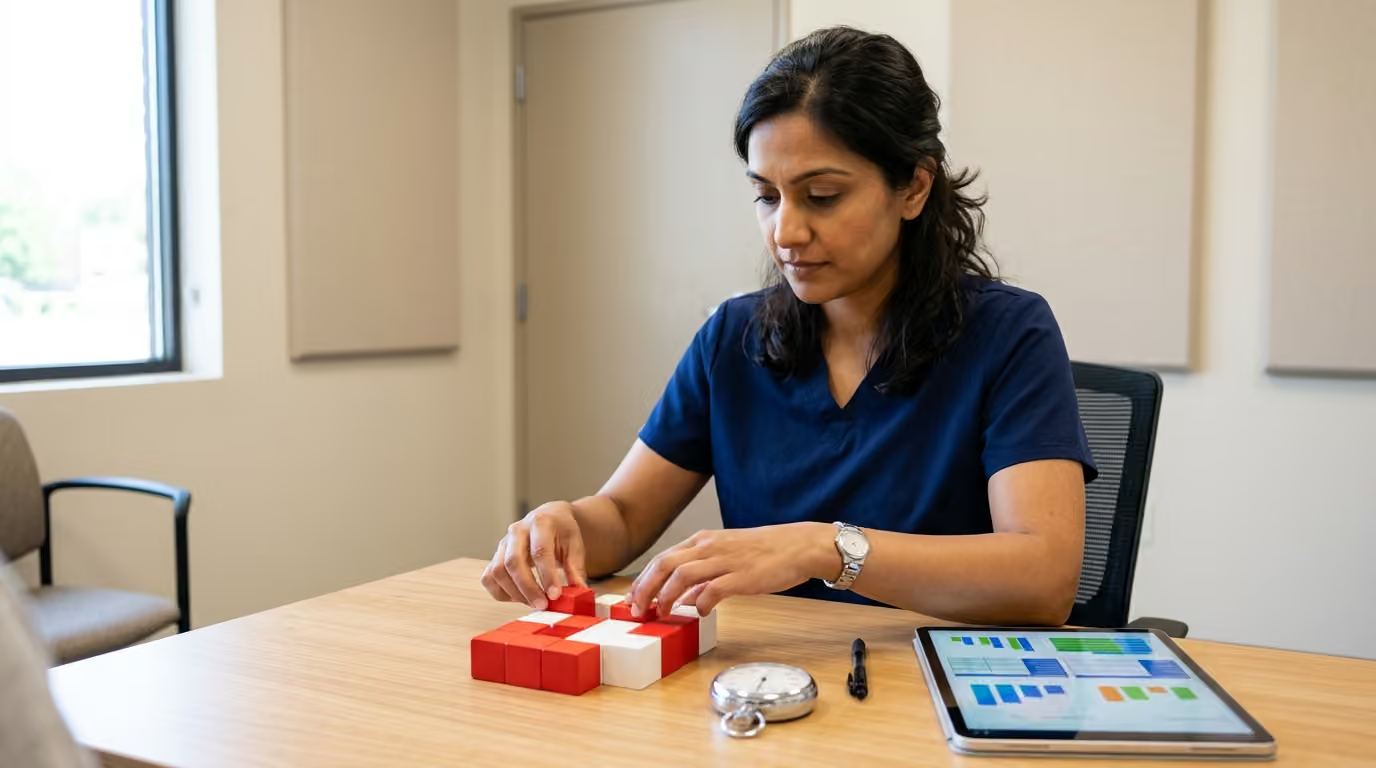
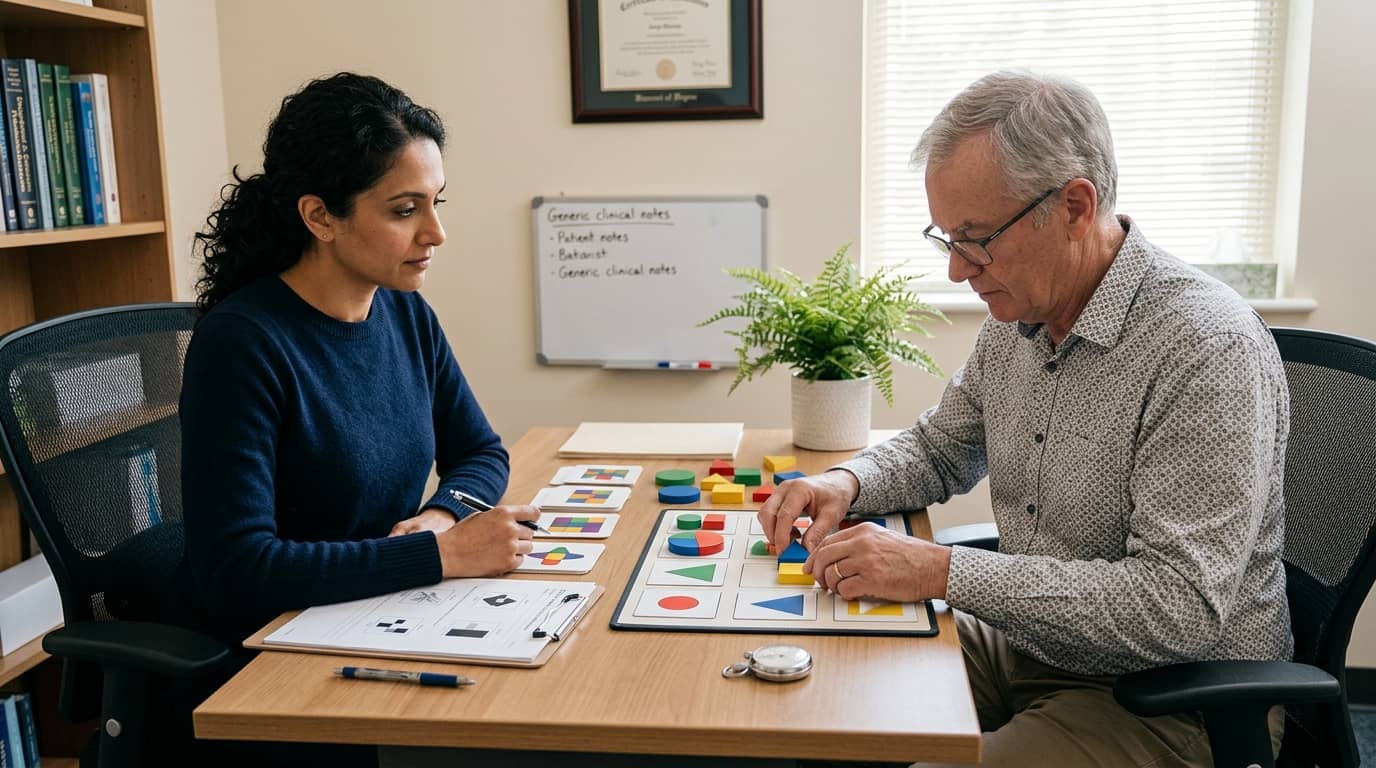
How you study in practice Art Therapy Course
How you practise Art Therapy Course
For companies looking to train their team
With Dedika for Business, the course includes exercises and examples tailored to your own business and the way your company needs.

Course Content
8 Chapters • 39 LessonsDuration between 4 and 360 hours (you decide)
Chapter 1HideHide detailsSee detailsFoundations of Art Therapy
Foundations of Art Therapy
Lesson 1 • Defining Art Therapy Practice
Clarifies the professional definition, scope, and boundaries of art therapy. Students differentiate art therapy from art education, occupational therapy, and recreational art.
Lesson 2 • Evidence Base and Research Literacy
Surveys empirical research supporting art therapy outcomes across populations. Students evaluate study quality and apply findings to justify clinical decisions.
Lesson 3 • History and Origins of Art Therapy
Traces art therapy's emergence in mid-20th century psychiatry and education. Grounds students in key pioneers and institutional milestones that shaped the profession.
Lesson 4 • Theoretical Frameworks Overview
Introduces psychodynamic, humanistic, and cognitive-behavioral frameworks underlying art therapy. Students map each theory to clinical rationale and intervention style.
Chapter 2HideHide detailsSee detailsArt Materials and Studio Fundamentals
Art Materials and Studio Fundamentals
Lesson 1 • Material Selection for Clinical Goals
Teaches systematic matching of art materials to therapeutic objectives and client profiles. Students practice clinical reasoning when choosing media for specific interventions.
Lesson 2 • Designing the Therapeutic Studio Space
Covers layout, safety, and material organization principles for therapeutic art spaces. Students design environments that promote autonomy, safety, and creative engagement.
Lesson 3 • Properties of Two-Dimensional Media
Examines drawing, painting, and collage materials and their sensory and expressive qualities. Students connect material properties to emotional and psychological responses.
Lesson 4 • Digital and Emerging Art Media
Introduces digital drawing, photography, and video as contemporary therapeutic tools. Students evaluate accessibility and clinical appropriateness of technology-based media.
Lesson 5 • Three-Dimensional and Tactile Media
Explores clay, sculpture, fiber, and found-object work as therapeutic modalities. Students assess tactile engagement and its role in grounding and self-regulation.
Chapter 3HideHide detailsSee detailsPsychological Theories in Art Therapy
Psychological Theories in Art Therapy
Lesson 1 • Jungian and Archetypal Approaches
Explores collective unconscious, archetypes, and active imagination as art therapy tools. Students facilitate image-making that accesses deeper symbolic and mythic material.
Lesson 2 • Trauma-Informed Theoretical Lens
Applies trauma theory, polyvagal principles, and somatic awareness to art therapy. Students recognize trauma responses in the art process and adjust interventions accordingly.
Lesson 3 • Psychoanalytic and Object Relations Theory
Examines Freudian concepts, defense mechanisms, and object relations as they appear in artwork. Students identify symbolic content and unconscious material in client images.
Lesson 4 • Cognitive-Behavioral and DBT Integration
Integrates CBT thought-challenging and DBT skills with structured art directives. Students design art-based interventions targeting cognitive distortions and emotional regulation.
Lesson 5 • Humanistic and Existential Frameworks
Applies person-centered, Gestalt, and existential principles to art therapy sessions. Students foster client autonomy, meaning-making, and authentic self-expression.
Chapter 4HideHide detailsSee detailsAssessment and Observation in Art Therapy
Assessment and Observation in Art Therapy
Lesson 1 • Interpreting Artwork Responsibly
Teaches cautious, client-centered approaches to artwork interpretation. Students avoid projection and use open inquiry to invite client meaning-making.
Lesson 2 • Integrating Assessment into Treatment Plans
Connects assessment findings to goal-setting, intervention selection, and progress monitoring. Students write treatment plan sections grounded in art therapy assessment data.
Lesson 3 • Formal Art Therapy Assessment Tools
Surveys validated art therapy assessments including drawing tasks and structured protocols. Students administer and score selected tools with supervised practice.
Lesson 4 • Principles of Art-Based Assessment
Establishes ethical and theoretical foundations for using art as an assessment tool. Students distinguish art-based assessment from projective testing and standardized measures.
Lesson 5 • Observing the Art-Making Process
Trains systematic observation of client behavior, material use, and creative process. Students document process notes that capture clinically relevant nonverbal information.
Chapter 5HideHide detailsSee detailsTherapeutic Relationship and Session Structure
Therapeutic Relationship and Session Structure
Lesson 1 • Boundaries and Professional Ethics
Defines professional boundaries, dual relationships, and ethical decision-making in art therapy. Students apply ethical codes to complex clinical scenarios involving artwork and disclosure.
Lesson 2 • Structuring Individual Sessions
Covers opening, art-making, reflection, and closing phases of individual sessions. Students plan session arcs that balance structure with client-led exploration.
Lesson 3 • Countertransference and Self-Awareness
Explores therapist reactions to client artwork and the clinical use of self-awareness. Students identify countertransference patterns and use supervision to manage them.
Lesson 4 • Building the Therapeutic Alliance
Examines rapport-building, empathic attunement, and trust development in art therapy. Students practice verbal and nonverbal skills that establish safety and connection.
Lesson 5 • Facilitating Group Art Therapy Sessions
Addresses group dynamics, cohesion, and facilitation techniques specific to art therapy groups. Students manage interpersonal processes while maintaining a therapeutic art focus.
Chapter 6HideHide detailsSee detailsArt Therapy Across the Lifespan
Art Therapy Across the Lifespan
Lesson 1 • Family and Couples Art Therapy
Introduces systemic approaches and joint art-making tasks for families and couples. Students facilitate shared creative experiences that reveal relational patterns and promote dialogue.
Lesson 2 • Art Therapy with Older Adults
Examines aging, cognitive decline, grief, and legacy work in art therapy with older adults. Students adapt materials and pacing for sensory and motor limitations.
Lesson 3 • Art Therapy with Adults
Focuses on adult life transitions, mental health conditions, and vocational rehabilitation contexts. Students apply evidence-based directives targeting depression, anxiety, and stress.
Lesson 4 • Art Therapy with Children
Covers developmental art stages, play integration, and trauma-sensitive approaches for children. Students design age-appropriate directives that support emotional expression and safety.
Lesson 5 • Art Therapy with Adolescents
Addresses identity formation, peer influence, and resistance common in adolescent art therapy. Students use culturally relevant media and collaborative approaches to engage teens.
Chapter 7HideHide detailsSee detailsSpecialized Populations and Clinical Contexts
Specialized Populations and Clinical Contexts
Lesson 1 • Art Therapy in Medical Settings
Addresses art therapy in oncology, palliative care, chronic illness, and rehabilitation units. Students manage medical environment constraints and collaborate with interdisciplinary teams.
Lesson 2 • Neurodiversity and Developmental Disabilities
Adapts art therapy for autism spectrum, ADHD, intellectual disabilities, and learning differences. Students use sensory-informed and structured approaches to support diverse neurotypes.
Lesson 3 • Crisis Intervention and Acute Settings
Prepares students for art therapy in psychiatric inpatient, crisis, and emergency contexts. Students apply brief, stabilizing interventions within high-acuity clinical environments.
Lesson 4 • Substance Use and Addiction Recovery
Integrates art therapy into addiction recovery, relapse prevention, and motivational work. Students design directives that explore triggers, identity, and recovery narratives.
Lesson 5 • Trauma and PTSD Treatment
Applies trauma-focused art therapy protocols to PTSD, complex trauma, and dissociation. Students sequence interventions from stabilization through narrative processing and integration.
Chapter 8HideHide detailsSee detailsProfessional Practice and Career Development
Professional Practice and Career Development
Lesson 1 • Credentialing and Professional Standards
Covers registration, board certification, and continuing education requirements for art therapists. Students map their academic and clinical hours toward credentialing milestones.
Lesson 2 • Supervision and Reflective Practice
Establishes the role of clinical supervision in professional development and ethical accountability. Students engage in peer supervision and structured self-reflection using art-based methods.
Lesson 3 • Building a Private Practice
Introduces business planning, fee structures, referral networks, and marketing for art therapists. Students draft a practice development plan aligned with their clinical specialty.
Lesson 4 • Advocacy, Research, and Leadership
Empowers students to contribute to the profession through advocacy, scholarship, and leadership. Students identify a research question and outline a dissemination strategy.
Lesson 5 • Clinical Documentation and Record-Keeping
Teaches SOAP notes, progress notes, and artwork documentation standards in art therapy. Students practice writing legally sound, clinically meaningful records.
Your valid completion certificate
This course is for you:
Mental health counselors: seeking a creative modality to deepen client engagement.
Social workers: wanting expressive tools for trauma-informed community practice.
Art educators: ready to bridge creative teaching with therapeutic support skills.
Career changers: drawn to healing work and looking for a structured clinical entry point.
Occupational therapists: aiming to integrate arts-based methods into rehabilitation sessions.
Nurses or medical staff: exploring holistic approaches for patient-centered emotional care.
What our students say
Your classes are perfect. I purchased the one-year package and finally have the opportunity to follow various topics of interest without needing to switch platforms... I thank you for everything you do, I've already recommended you to other people...

I like how the lessons are straight to the point and how I can change chapters and skip content I don't need.

I like the content and the presentation style and video transcription, which speeds up the process!

The platform is fast, simple to use. The diversity of content and complementary videos really help with learning.

Top training programs

















FAQ
Who is Dedika?
Is the certificate valid in Canada?
Are the courses free?
What is the course workload?
What are the courses like?
How do the courses work?
What is the duration of the courses?
What is the cost or price of the courses?
What is an EAD or online course and how does it work?
PDF Course