
Guidance and Counselling Course
This Guidance and Counselling Course gives you the theoretical foundation and practical skills to work effectively with individuals, families, and groups across diverse settings. From core counselling theories to crisis intervention and ethical decision-making, every topic is designed to build real professional competence. Whether you're entering the field or advancing your practice, this course prepares you to make a meaningful difference in clients' lives.
What you will learn:
You will explore the major theories of counselling and human development, learning how to select and apply the right framework for each client. You will develop essential microskills including active listening, empathy, and purposeful questioning that form the backbone of effective sessions. The course covers assessment, diagnosis, and case conceptualisation so you can translate client information into clear treatment plans. You will also gain specialised knowledge in trauma-informed care, grief counselling, addiction, and group facilitation. Ethics, clinical documentation, supervision, and counsellor self-care are integrated throughout to prepare you for accountable, sustainable professional practice.
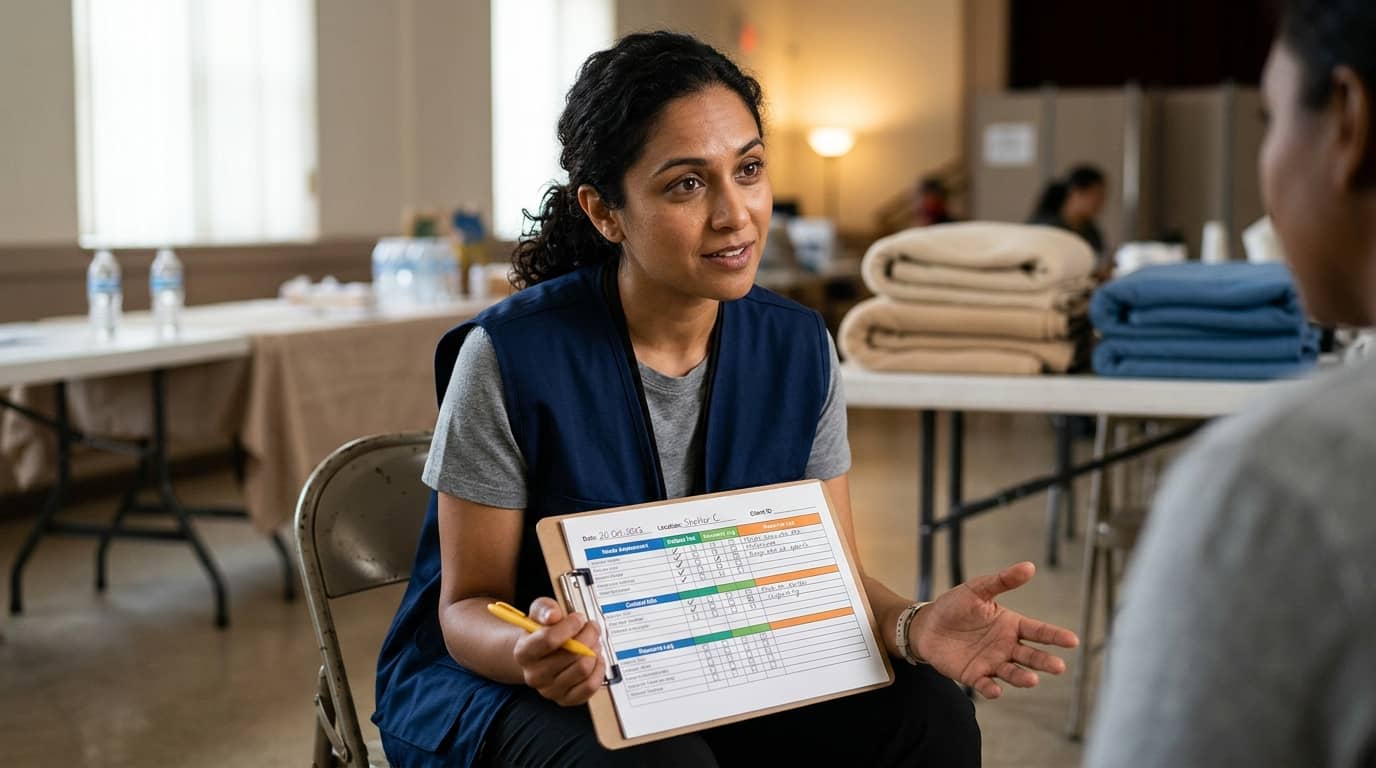
How you study practically Guidance and Counselling Course
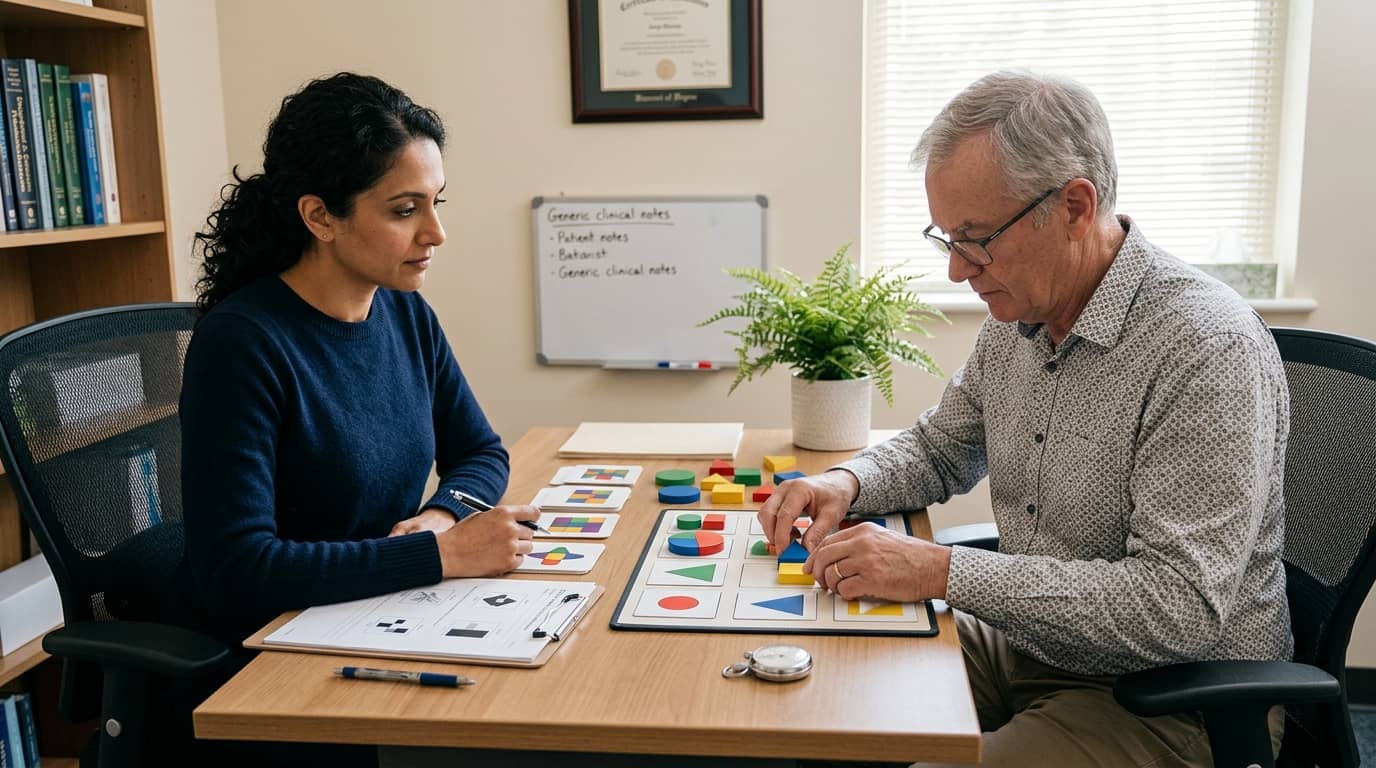
How you practise Guidance and Counselling Course
For companies looking to train their teams
With Dedika for businesses, the course includes exercises and examples tailored to your own business and the way your company needs.

Course content
8 Chapters • 41 LessonsDuration between 4 and 360 hours (you decide)
Chapter 1HideHide detailsSee detailsFoundations of Guidance and Counselling
Foundations of Guidance and Counselling
Lesson 1 • Professional Identity and Self-Awareness
Develops a clear counsellor identity grounded in self-reflection and personal values. Supports authentic, congruent professional practice from the outset.
Lesson 2 • Historical Development of the Field
Traces counselling's evolution from vocational guidance to modern integrative practice. Contextualises current models within their historical origins.
Lesson 3 • Roles and Functions of the Counsellor
Examines the multiple roles counsellors occupy across settings and populations. Prepares students to adapt their function to diverse professional contexts.
Lesson 4 • Core Values and Professional Ethics
Introduces ethical principles governing counsellor conduct, including autonomy, beneficence, and justice. Provides the moral framework applied throughout the course.
Lesson 5 • Defining Guidance and Counselling
Clarifies the distinct meanings of guidance, counselling, and psychotherapy. Sets conceptual boundaries essential for all subsequent professional practice.
Chapter 2HideHide detailsSee detailsTheories of Counselling and Human Development
Theories of Counselling and Human Development
Lesson 1 • Humanistic and Existential Theories
Examines person-centred, Gestalt, and existential frameworks emphasising growth and meaning. Grounds empathic practice in humanistic philosophy.
Lesson 2 • Systemic and Constructivist Approaches
Explores family systems, narrative, and solution-focused models that situate clients in relational contexts. Expands theoretical range beyond individual-focused models.
Lesson 3 • Integrative and Eclectic Practice
Teaches principled integration of multiple theories tailored to individual client presentations. Prepares students for flexible, evidence-informed practice.
Lesson 4 • Lifespan Human Development Models
Reviews developmental theories across childhood, adolescence, adulthood, and aging. Enables age-appropriate case conceptualisation and intervention planning.
Lesson 5 • Psychodynamic and Psychoanalytic Approaches
Covers unconscious processes, defence mechanisms, and transference as therapeutic tools. Links psychodynamic concepts to observable client behaviours.
Lesson 6 • Cognitive and Behavioural Frameworks
Introduces cognitive-behavioural, rational emotive, and behavioural theories with evidence-based applications. Connects thought-behaviour links to intervention design.
Chapter 3HideHide detailsSee detailsCore Counselling Skills and Microskills
Core Counselling Skills and Microskills
Lesson 1 • Active Listening and Attending Behaviours
Trains verbal and nonverbal attending skills that signal full presence to clients. Establishes the relational foundation for all subsequent skill development.
Lesson 2 • Empathy, Reflection, and Paraphrasing
Develops accurate empathy, reflective listening, and paraphrasing to deepen client understanding. Connects emotional attunement to therapeutic alliance quality.
Lesson 3 • Questioning Techniques
Distinguishes open, closed, circular, and Socratic questions and their strategic uses. Teaches purposeful questioning that expands rather than directs client exploration.
Lesson 4 • Challenging, Confrontation, and Immediacy
Introduces advanced skills for highlighting discrepancies and addressing the here-and-now relationship. Balances challenge with empathy to maintain alliance.
Lesson 5 • Goal Setting and Action Planning
Teaches collaborative goal formulation using SMART criteria and motivational strategies. Links client goals to measurable counselling outcomes.
Chapter 4HideHide detailsSee detailsThe Therapeutic Relationship and Alliance
The Therapeutic Relationship and Alliance
Lesson 1 • Components of the Therapeutic Alliance
Defines the bond, goals, and tasks dimensions of the working alliance and their predictive value. Grounds alliance-building in empirical research.
Lesson 2 • Building Rapport and Trust
Provides concrete strategies for establishing safety, trust, and genuine connection from the first session. Addresses barriers that impede early rapport.
Lesson 3 • Transference and Countertransference Management
Teaches recognition and productive use of transference dynamics and countertransference reactions. Prevents relational distortions from derailing treatment.
Lesson 4 • Alliance Ruptures and Repair
Identifies withdrawal and confrontation rupture markers and applies evidence-based repair strategies. Converts ruptures into deepened therapeutic understanding.
Lesson 5 • Endings and Termination
Guides ethical and emotionally sensitive management of counselling termination and referral. Prepares clients for sustainable post-counselling functioning.
Chapter 5HideHide detailsSee detailsAssessment, Case Conceptualisation, and Diagnosis
Assessment, Case Conceptualisation, and Diagnosis
Lesson 1 • Case Conceptualisation and Treatment Planning
Integrates assessment data into a coherent theoretical formulation that drives treatment decisions. Links conceptualisation directly to measurable treatment goals.
Lesson 2 • Standardised Assessment Tools
Introduces validated screening instruments for depression, anxiety, trauma, and substance use. Teaches appropriate selection, administration, and interpretation.
Lesson 3 • Mental Status Examination
Teaches systematic observation of appearance, cognition, affect, and behaviour in clinical assessment. Provides a standardised snapshot of current client functioning.
Lesson 4 • Diagnostic Classification Systems
Covers major diagnostic classification frameworks and their clinical utility and limitations. Situates diagnosis within a holistic, person-centred perspective.
Lesson 5 • Intake Interviewing and History Taking
Structures the initial interview to gather biopsychosocial history, presenting concerns, and client strengths. Establishes the information base for all subsequent planning.
Chapter 6HideHide detailsSee detailsCounselling Across Diverse Populations
Counselling Across Diverse Populations
Lesson 1 • Counselling Older Adults and Special Populations
Addresses late-life concerns, disability, chronic illness, and socioeconomic marginalisation in counselling. Builds competency for underserved and complex populations.
Lesson 2 • Gender, Sexuality, and Identity
Covers affirmative practice with women, men, transgender, and gender-nonconforming clients. Addresses heterosexism and cisnormativity as clinical barriers.
Lesson 3 • Working with Racial and Ethnic Diversity
Examines racial identity models, systemic racism, and culturally specific help-seeking behaviours. Equips counsellors to address race in the therapeutic relationship.
Lesson 4 • Counselling Children and Adolescents
Adapts assessment and intervention techniques to developmental stages of youth clients. Addresses consent, confidentiality, and parental involvement issues.
Lesson 5 • Multicultural Counselling Competencies
Introduces the awareness, knowledge, and skills framework for culturally competent practice. Establishes multicultural responsiveness as a professional standard.
Chapter 7HideHide detailsSee detailsSpecialised Counselling Interventions
Specialised Counselling Interventions
Lesson 1 • Trauma-Informed Counselling
Introduces trauma-informed principles and evidence-based trauma therapies for complex presentations. Addresses secondary traumatic stress in the counsellor.
Lesson 2 • Substance Use and Addictions Counselling
Covers addiction models, motivational interviewing, and relapse prevention for substance use disorders. Integrates harm reduction and abstinence-based approaches.
Lesson 3 • Crisis Intervention and Suicide Risk
Teaches structured crisis assessment, safety planning, and de-escalation for high-risk clients. Prepares counsellors to respond competently under acute clinical pressure.
Lesson 4 • Grief, Loss, and Bereavement Counselling
Applies contemporary grief models and therapeutic techniques to diverse loss experiences. Distinguishes normal grief from complicated bereavement requiring intervention.
Lesson 5 • Group Counselling Theory and Practice
Teaches group dynamics, leadership styles, and therapeutic factors specific to group counselling. Develops skills for facilitating effective therapeutic groups.
Chapter 8HideHide detailsSee detailsProfessional Practice, Ethics, and Supervision
Professional Practice, Ethics, and Supervision
Lesson 1 • Clinical Supervision Models and Practice
Introduces supervision models, the supervisory relationship, and the counsellor's role as supervisee. Prepares students to use supervision for ongoing professional growth.
Lesson 2 • Legal and Regulatory Responsibilities
Covers compulsory reporting, duty to warn, informed consent, and record-keeping obligations. Ensures legal compliance across diverse practice settings.
Lesson 3 • Self-Care and Counsellor Wellness
Addresses burnout, compassion fatigue, and evidence-based self-care strategies for sustainable practice. Frames wellness as an ethical professional obligation.
Lesson 4 • Advanced Ethical Decision-Making
Applies multi-step ethical models to complex dilemmas involving confidentiality, dual relationships, and competence. Develops nuanced professional judgment.
Lesson 5 • Clinical Documentation and Case Notes
Teaches SOAP, DAP, and narrative note formats for accurate, defensible clinical documentation. Links documentation quality to client safety and professional accountability.
Your valid completion certificate
This course is for you:
Social workers seeking to deepen their therapeutic counselling knowledge and skills.
Career changers drawn to mental health support roles in community settings.
Teachers wanting structured tools to better support struggling students emotionally.
HR professionals aiming to handle employee well-being conversations more effectively.
Recent psychology graduates preparing to enter supervised counselling practice roles.
Volunteers in crisis helplines looking to formalise and strengthen their training.
What our students say
Your lessons are perfect. I purchased the one-year package and finally have the opportunity to follow various topics of my interest without needing to change platforms... I thank you for everything you do, I've already recommended you to other people...

I like how the lessons are straight to the point and how I can change chapters and skip content I don't need.

I like the content and the way videos are presented and transcribed, which speeds up the process!

The platform is fast, simple to use. The diversity of content and complementary videos help a lot with learning.

Top training programmes














FAQ
Who is Dedika?
Is the certificate valid in Kenya?
Are the courses free?
What is the course workload?
What are the courses like?
How do the courses work?
What is the duration of the courses?
What is the cost or price of the courses?
What is an EAD or online course and how does it work?
PDF Course