
Sexology Course
Master the full scope of clinical sexology — from anatomy and sexual response to dysfunction diagnosis and evidence-based treatment. This comprehensive course equips mental health and healthcare professionals with the specialised knowledge and practical skills needed to address sexual health with confidence, accuracy, and ethical integrity.
What you will learn:
This course covers the full clinical landscape of human sexuality, beginning with foundational theory, anatomy, and lifespan development. You will learn to conduct structured sexual health assessments and apply current diagnostic frameworks to accurately identify dysfunctions. Evidence-based treatment approaches—including behavioural techniques, psychoeducation, couples interventions, and pharmacological options—are detailed. You will develop competency in inclusive practice with LGBTQ+ clients, survivors of sexual trauma, and diverse cultural backgrounds. Additional modules address STI prevention counselling, mental health impacts on sexual function, sex-education programme design, and research literacy to keep your practice current and scientifically grounded.
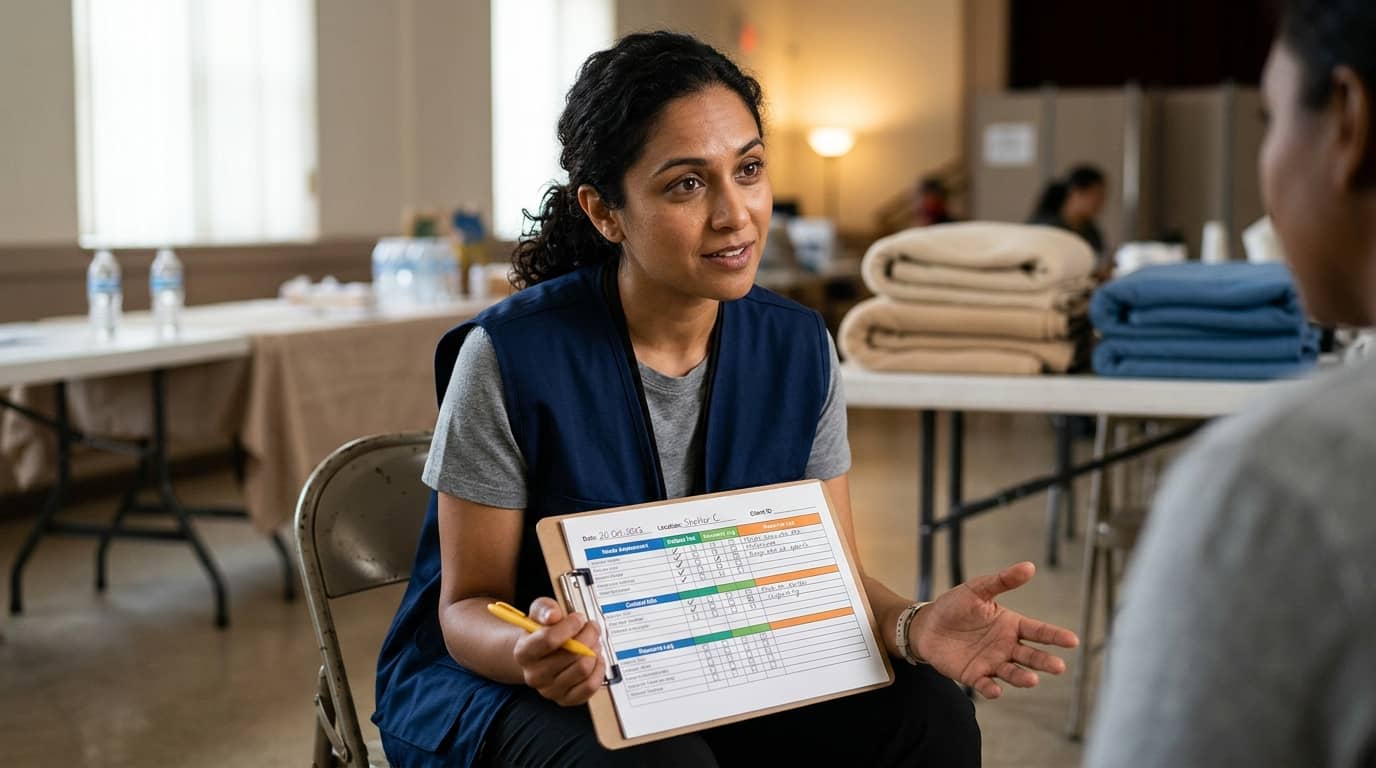
How you study practically Sexology Course
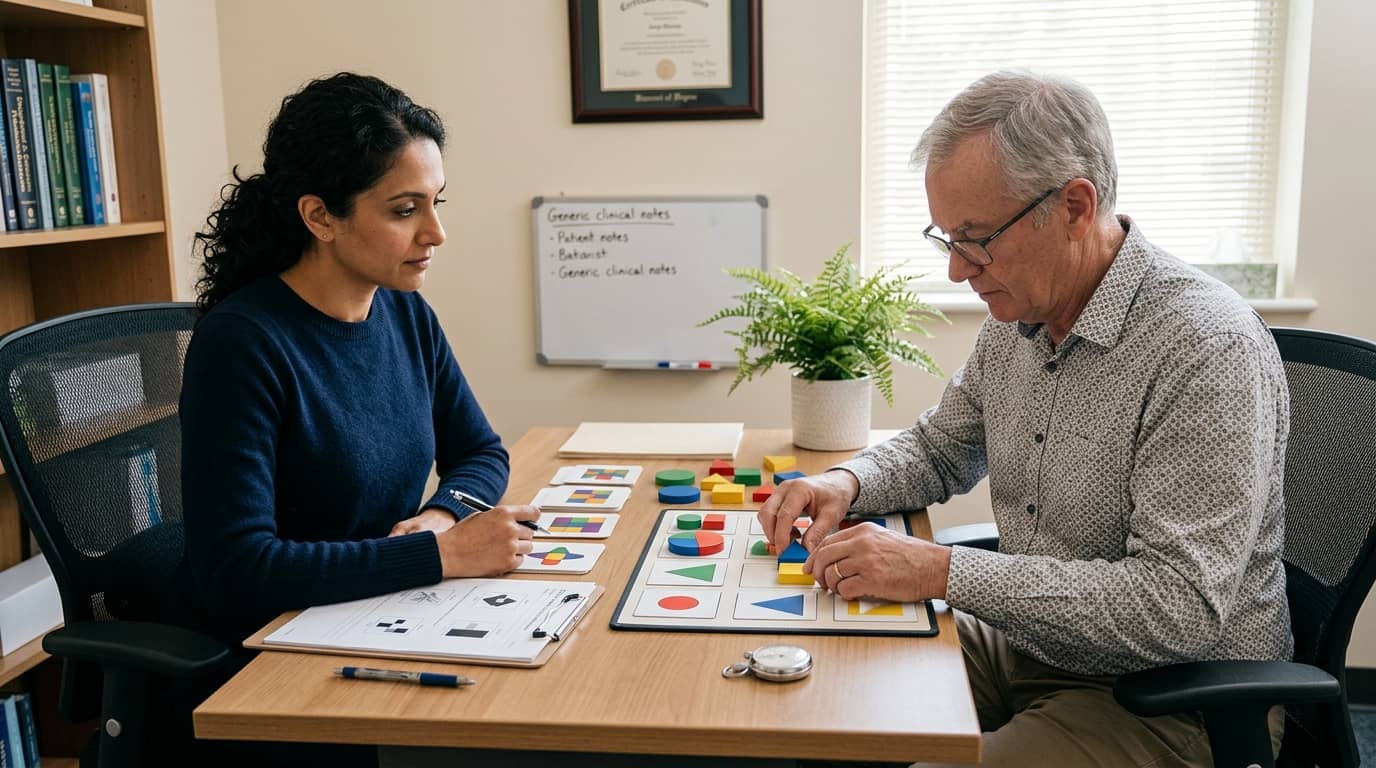
How you practise Sexology Course
For companies looking to train their teams
With Dedika for businesses, the course includes exercises and examples tailored to your own business and the way your company needs.

Course content
8 Chapters • 39 LessonsDuration between 4 and 360 hours (you decide)
Chapter 1HideHide detailsSee detailsFoundations of Human Sexuality
Foundations of Human Sexuality
Lesson 1 • Core Theoretical Frameworks
Introduces biopsychosocial, evolutionary, and sociocultural models of sexuality. Provides analytical lenses used throughout the course.
Lesson 2 • Sexual Diversity and Terminology
Defines key terms covering orientation, identity, behaviour, and variation. Accurate terminology enables respectful, precise clinical communication.
Lesson 3 • Ethical Principles in Sexology
Covers consent, confidentiality, professional boundaries, and non-judgmental practice. Ethics underpin every clinical and research decision in sexology.
Lesson 4 • History and Evolution of Sexology
Traces sexology from early naturalistic inquiry to modern clinical science. Contextualises how cultural and scientific shifts shaped current practice.
Chapter 2HideHide detailsSee detailsSexual Anatomy and Physiology
Sexual Anatomy and Physiology
Lesson 1 • Neuroscience of Sexual Arousal
Maps central and peripheral nervous system pathways involved in arousal and orgasm. Neurological understanding informs treatment of arousal disorders.
Lesson 2 • Hormones and Sexual Function
Explains roles of testosterone, estrogen, progesterone, and oxytocin in desire and arousal. Hormonal knowledge guides assessment of libido and dysfunction.
Lesson 3 • Sexual Response Cycles
Compares Masters and Johnson, Kaplan, and Basson models of sexual response. Understanding response cycles is essential for diagnosing sexual dysfunctions.
Lesson 4 • Male Sexual Anatomy
Covers external and internal male reproductive structures and their sexual functions. Anatomical accuracy supports assessment and client education.
Lesson 5 • Female Sexual Anatomy
Examines external and internal female structures including clitoral complex and pelvic floor. Corrects common misconceptions relevant to clinical practice.
Chapter 3HideHide detailsSee detailsSexual Development Across the Lifespan
Sexual Development Across the Lifespan
Lesson 1 • Prenatal and Infant Sexuality
Covers prenatal sex differentiation and early sensory-based sexual awareness. Establishes that sexual development begins before birth.
Lesson 2 • Adolescent Sexuality and Puberty
Examines pubertal changes, identity formation, and first sexual experiences. Adolescent development informs prevention and education programme design.
Lesson 3 • Sexuality in Older Adults
Challenges ageist myths and documents physiological and relational changes in later life. Enables practitioners to support sexual health in ageing populations.
Lesson 4 • Childhood Sexual Development
Describes normative sexual curiosity, play, and knowledge acquisition in children. Distinguishes typical behaviour from indicators requiring clinical attention.
Lesson 5 • Adult Sexuality and Relationships
Addresses sexual scripts, relationship structures, and peak sexual functioning in adults. Provides baseline for identifying adult sexual concerns.
Chapter 4HideHide detailsSee detailsSexual Health Assessment and Interviewing
Sexual Health Assessment and Interviewing
Lesson 1 • Clinical Formulation and Case Conceptualisation
Synthesises assessment data into a biopsychosocial formulation guiding treatment. Formulation skills link assessment to intervention planning.
Lesson 2 • Standardised Assessment Tools
Reviews validated instruments for measuring desire, arousal, satisfaction, and dysfunction. Standardised tools increase assessment reliability and comparability.
Lesson 3 • Principles of Sexual Health Interviewing
Establishes rapport-building, non-judgmental questioning, and safe environment creation. These principles are the foundation of every clinical encounter.
Lesson 4 • Taking a Sexual Health History
Guides systematic collection of sexual, medical, relational, and psychosocial history. Comprehensive history-taking drives accurate diagnosis and treatment planning.
Lesson 5 • Trauma-Informed Assessment Practice
Applies trauma-informed principles to minimise re-traumatisation during assessment. Trauma awareness is essential given high prevalence of sexual trauma in clinical populations.
Chapter 5HideHide detailsSee detailsSexual Dysfunctions: Diagnosis and Classification
Sexual Dysfunctions: Diagnosis and Classification
Lesson 1 • Genito-Pelvic Pain Disorders
Defines vaginismus, dyspareunia, vulvodynia, and related pain conditions. Pain disorders require multidisciplinary understanding for accurate diagnosis.
Lesson 2 • Orgasm and Ejaculation Disorders
Examines delayed, absent, and premature orgasm and ejaculation conditions. Accurate classification directs targeted treatment selection.
Lesson 3 • Substance and Medical Condition Effects
Identifies how medications, chronic illness, and substances cause or exacerbate dysfunction. Medical literacy prevents misdiagnosis of iatrogenic sexual problems.
Lesson 4 • Diagnostic Classification Systems
Compares current diagnostic manuals and their criteria for sexual dysfunction categories. Understanding classification systems ensures diagnostic consistency.
Lesson 5 • Desire and Arousal Disorders
Covers hypoactive sexual desire, female arousal disorder, and erectile dysfunction. Distinguishes overlapping presentations to guide accurate diagnosis.
Chapter 6HideHide detailsSee detailsEvidence-Based Treatment of Sexual Dysfunctions
Evidence-Based Treatment of Sexual Dysfunctions
Lesson 1 • Behavioural Sex Therapy Techniques
Covers structured behavioural exercises including sensate focus, directed masturbation, and squeeze technique. Behavioural methods address specific dysfunction mechanisms directly.
Lesson 2 • Treatment Planning and Outcome Monitoring
Structures individualised treatment plans with measurable goals and progress indicators. Systematic monitoring ensures treatment effectiveness and guides adjustments.
Lesson 3 • Medical and Pharmacological Treatments
Reviews approved pharmacological agents, hormonal therapies, and devices for sexual dysfunction. Practitioners must understand medical options to coordinate interdisciplinary care.
Lesson 4 • Psychoeducation and Cognitive Interventions
Uses accurate information delivery and cognitive restructuring to address sexual myths and anxiety. Psychoeducation is a first-line intervention across most dysfunctions.
Lesson 5 • Couples-Based Interventions
Addresses desire discrepancy, communication deficits, and relational conflict affecting sexual function. Couples work targets the dyadic context of most sexual concerns.
Chapter 7HideHide detailsSee detailsSexuality, Diversity, and Inclusive Practice
Sexuality, Diversity, and Inclusive Practice
Lesson 1 • Cultural Competence in Sexual Health
Examines how culture, religion, and ethnicity shape sexual values, norms, and help-seeking. Cultural competence prevents misdiagnosis and improves therapeutic alliance.
Lesson 2 • Consensual Non-Monogamy and Kink
Distinguishes relationship structures and BDSM practices from pathology. Non-judgmental competence with these populations prevents misdiagnosis and harm.
Lesson 3 • Gender-Affirming Care in Sexology
Addresses sexual health needs of transgender and nonbinary clients across transition stages. Gender-affirming care requires specialised knowledge of hormonal and surgical effects.
Lesson 4 • Sexuality and Disability
Addresses sexual rights, adaptive strategies, and clinical support for people with physical and cognitive disabilities. Disability-competent practice affirms sexual personhood.
Lesson 5 • Affirmative Practice with LGBTQ+ Clients
Applies affirmative therapeutic principles to gay, lesbian, bisexual, and queer clients. Affirmative practice reduces minority stress and improves therapeutic outcomes.
Chapter 8HideHide detailsSee detailsAdvanced Clinical Practice and Professional Development
Advanced Clinical Practice and Professional Development
Lesson 1 • Supervision and Reflective Practice
Develops skills for receiving and providing clinical supervision in sexology contexts. Reflective practice sustains competence and prevents professional burnout.
Lesson 2 • Professional Standards and Credentialing
Reviews professional associations, credentialing pathways, and scope of practice standards. Credentialing knowledge enables practitioners to position themselves appropriately.
Lesson 3 • Complex Case Conceptualisation
Applies integrative models to cases with comorbid psychiatric, medical, and relational factors. Complex case skills distinguish advanced practitioners from entry-level clinicians.
Lesson 4 • Building a Sexology Practice
Covers practice setup, referral networks, marketing, and self-care for sexology professionals. Practical business and wellness skills sustain long-term professional effectiveness.
Lesson 5 • Research Literacy and Evidence Appraisal
Builds skills to critically evaluate sexology research and apply findings to practice. Evidence appraisal ensures interventions remain current and scientifically grounded.
Your valid completion certificate
This course is for you:
Therapists and counsellors: seeking to address sexual concerns clients already raise.
Nurses and physicians: wanting clinical depth beyond standard sexual health screening.
Sex educators: building a stronger theoretical and evidence-based professional foundation.
Social workers: supporting vulnerable populations where sexual health issues frequently surface.
Career changers: transitioning into sexual health from adjacent helping professions.
Researchers and academics: expanding their applied knowledge of human sexuality science.
What our students say
Your lessons are perfect. I purchased the one-year package and finally have the opportunity to follow various topics of my interest without needing to change platforms... I thank you for everything you do, I've already recommended you to other people...

I like how the lessons are straight to the point and how I can change chapters and skip content I don't need.

I like the content and the way videos are presented and transcribed, which speeds up the process!

The platform is fast, simple to use. The diversity of content and complementary videos help a lot with learning.

Top training programmes














FAQ
Who is Dedika?
Is the certificate valid in Kenya?
Are the courses free?
What is the course workload?
What are the courses like?
How do the courses work?
What is the duration of the courses?
What is the cost or price of the courses?
What is an EAD or online course and how does it work?
PDF Course