
Occupational Hygiene Course
Master the full scope of occupational hygiene — from hazard recognition and exposure assessment to control design and program management. This course equips safety professionals with the technical knowledge and practical tools needed to protect worker health and meet compliance obligations. Build the competencies that employers and certification bodies demand.
What your team will master:
This course covers the core principles and applied skills of occupational hygiene across eight comprehensive chapters. You will learn to identify and evaluate chemical, physical, biological, and ergonomic hazards using proven assessment frameworks. You will gain hands-on knowledge of air sampling methods, biological monitoring, noise surveys, and thermal stress assessment. The course also covers toxicology, carcinogens, respiratory hazards, and skin exposure risks in detail. You will design control strategies using the hierarchy of controls and verify their effectiveness through post-control monitoring. Finally, you will integrate hygiene practice into organizational management systems, conduct audits, and apply continuous improvement processes to protect workers long-term.
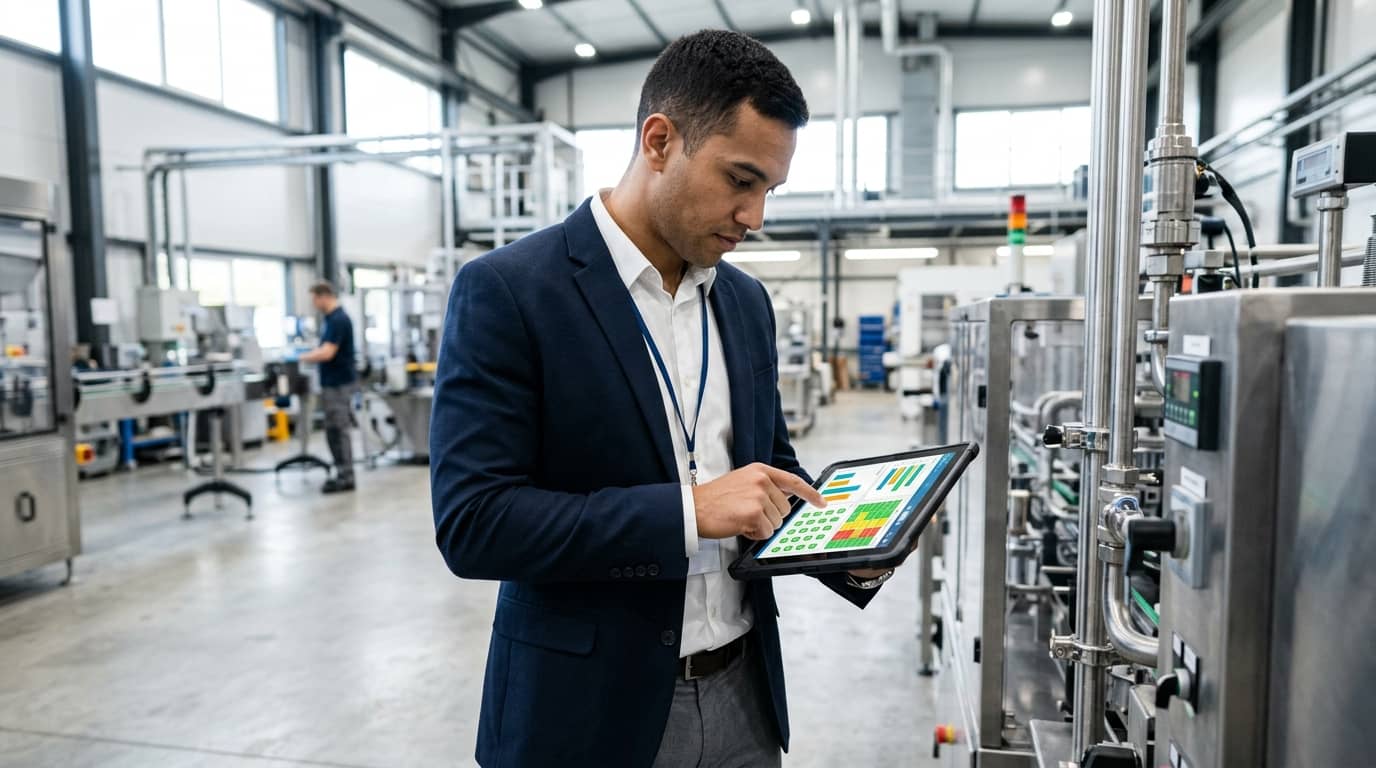
How your team studies in practice Occupational Hygiene Course
How your team practices Occupational Hygiene Course
Professionals from these companies study at Dedika



Course content
8 Chapters • 36 LessonsDuration between 4 and 360 hours (you decide)
Chapter 1HideHide detailsSee detailsFoundations of Occupational Hygiene
Foundations of Occupational Hygiene
Lesson 1 • Defining Occupational Hygiene
Covers the history, definition, and global framework of occupational hygiene. Anchors all subsequent technical content in professional context.
Lesson 2 • Regulatory and Standards Framework
Surveys occupational health regulations, exposure standards, and enforcement mechanisms without jurisdiction-specific codes. Builds awareness of compliance obligations.
Lesson 3 • Occupational Hygiene Roles and Ethics
Defines professional duties, ethical codes, and stakeholder relationships. Prepares students to navigate conflicts of interest and confidentiality obligations.
Lesson 4 • The Anticipate-Recognize-Evaluate-Control Model
Introduces the AREC framework as the central decision-making model. Students apply this sequence to structure all hygiene assessments.
Chapter 2HideHide detailsSee detailsWorkplace Hazard Identification
Workplace Hazard Identification
Lesson 1 • Biological and Ergonomic Hazards
Addresses pathogens, allergens, musculoskeletal stressors, and psychosocial factors. Broadens hazard recognition beyond traditional chemical and physical agents.
Lesson 2 • Physical Hazard Recognition
Identifies noise, vibration, radiation, thermal stress, and lighting hazards. Links physical agents to physiological harm mechanisms.
Lesson 3 • Chemical Hazard Recognition
Covers identification of airborne contaminants, dusts, vapors, and gases. Connects chemical properties to exposure potential and health risk.
Lesson 4 • Workplace Walkthrough and Hazard Inventory
Teaches structured walkthrough methodology and documentation of hazards. Students compile a prioritized hazard inventory using field observation techniques.
Chapter 3HideHide detailsSee detailsChemical Agents and Health Effects
Chemical Agents and Health Effects
Lesson 1 • Skin and Systemic Chemical Hazards
Addresses dermal absorption, contact dermatitis, sensitizers, and systemic toxicants. Highlights skin as a significant exposure route often underestimated.
Lesson 2 • Fundamentals of Occupational Toxicology
Covers dose-response relationships, target organ toxicity, and toxicokinetics. Provides the biological foundation for evaluating chemical health risks.
Lesson 3 • Carcinogens and Reproductive Hazards
Covers occupational carcinogens, reproductive toxicants, and endocrine disruptors. Prepares students to apply precautionary principles for high-risk agents.
Lesson 4 • Respiratory Hazards and Lung Disease
Examines dusts, fibers, fumes, and gases causing occupational lung disease. Connects aerosol physics to deposition and pathological outcomes.
Chapter 4HideHide detailsSee detailsExposure Assessment Principles
Exposure Assessment Principles
Lesson 1 • Statistical Analysis of Exposure Data
Applies lognormal distribution models, confidence intervals, and exceedance fractions to exposure data. Enables evidence-based compliance decisions.
Lesson 2 • Exposure Assessment Strategy Design
Covers similar exposure groups, sampling rationale, and tiered assessment approaches. Ensures students design statistically defensible monitoring programs.
Lesson 3 • Air Sampling Methods and Equipment
Introduces personal, area, and source sampling techniques with equipment selection criteria. Connects sampling method to contaminant type and exposure scenario.
Lesson 4 • Biological Monitoring
Explains biological exposure indices, specimen collection, and interpretation of biomarker data. Complements air monitoring with internal dose assessment.
Lesson 5 • Interpreting Results Against Benchmarks
Compares measured exposures to occupational exposure limits and action levels. Guides students in communicating findings and triggering control actions.
Chapter 5HideHide detailsSee detailsPhysical Agents: Noise and Vibration
Physical Agents: Noise and Vibration
Lesson 1 • Vibration Exposure and Assessment
Addresses hand-arm and whole-body vibration measurement, health effects, and exposure action values. Extends physical agent competency beyond noise.
Lesson 2 • Hearing Loss and Health Effects
Explains noise-induced hearing loss mechanisms, audiometric testing, and non-auditory effects. Links exposure data to health outcome prediction.
Lesson 3 • Noise Measurement and Surveys
Covers sound level meter and dosimeter use, survey design, and data recording. Connects measurement technique to accurate exposure characterization.
Lesson 4 • Acoustics and Noise Fundamentals
Introduces sound physics, decibel scale, frequency weighting, and noise metrics. Builds the quantitative foundation for noise measurement and assessment.
Lesson 5 • Hearing Conservation Programs
Designs comprehensive hearing conservation programs including engineering controls and audiometric surveillance. Integrates all noise assessment skills into a management system.
Chapter 6HideHide detailsSee detailsThermal Environment and Radiation
Thermal Environment and Radiation
Lesson 1 • Non-Ionizing Radiation Hazards
Addresses UV, infrared, laser, and radiofrequency radiation sources, health effects, and controls. Covers the broad spectrum of non-ionizing radiation in workplaces.
Lesson 2 • Heat Stress Assessment and Control
Covers physiological heat strain, WBGT index, metabolic rate estimation, and acclimatization. Enables quantitative heat stress risk assessment in field conditions.
Lesson 3 • Cold Stress and Work in Cold Environments
Examines hypothermia, frostbite, wind chill, and cold work management strategies. Complements heat stress content with the opposite thermal extreme.
Lesson 4 • Ionizing Radiation Fundamentals
Introduces radiation types, units, dose limits, and ALARA principles for occupational settings. Provides the foundation for radiation protection program design.
Chapter 7HideHide detailsSee detailsHazard Controls and Risk Reduction
Hazard Controls and Risk Reduction
Lesson 1 • Control Verification and Effectiveness
Teaches post-control monitoring, performance metrics, and corrective action processes. Closes the control loop by confirming that implemented measures achieve target reductions.
Lesson 2 • Hierarchy of Controls Framework
Establishes elimination, substitution, engineering, administrative, and PPE controls in priority order. Provides the decision logic for all subsequent control design.
Lesson 3 • Confined Space and Process Safety Controls
Addresses permit-to-work systems, atmospheric testing, and emergency response for confined spaces. Extends control competency to high-hazard, non-routine work scenarios.
Lesson 4 • Personal Protective Equipment Selection
Guides selection, fit testing, maintenance, and limitations of respiratory and body protection. Ensures PPE is used correctly when engineering controls are insufficient.
Lesson 5 • Engineering Controls for Airborne Hazards
Covers local exhaust ventilation design, dilution ventilation, enclosure, and process isolation. Connects ventilation principles to contaminant capture efficiency.
Chapter 8HideHide detailsSee detailsOccupational Hygiene Management Systems
Occupational Hygiene Management Systems
Lesson 1 • Continuous Improvement and Performance Metrics
Establishes leading and lagging indicators, trend analysis, and management review processes. Drives ongoing program enhancement through data-informed decision-making.
Lesson 2 • Incident Investigation and Root Cause Analysis
Applies systematic investigation methods to occupational illness and near-miss events. Links root cause findings to corrective actions and program improvements.
Lesson 3 • Occupational Health and Safety Management Systems
Covers plan-do-check-act cycles, policy development, and integration with broader OHS frameworks. Positions hygiene as a structured organizational function.
Lesson 4 • Auditing and Inspection Techniques
Teaches internal audit planning, checklist development, non-conformance identification, and reporting. Builds capacity to evaluate program performance objectively.
Lesson 5 • Hygiene Program Design and Documentation
Guides development of written hygiene programs, standard operating procedures, and record-keeping systems. Ensures programs meet regulatory and professional standards.
Your valid completion certificate
This course is for you:
Safety officers ready to deepen their technical hygiene expertise.
Environmental health graduates entering workplace health protection roles.
Industrial hygiene technicians pursuing formal, structured professional knowledge.
HR managers responsible for employee wellness and regulatory accountability.
Nurses transitioning into occupational health from clinical care settings.
Engineers seeking to address worker exposure risks in facility design.
Related Courses




FAQs
Who is Dedika?
Is the certificate valid in the Philippines?
Are the courses free?
What is the course workload?
What are the courses like?
How do the courses work?
What is the duration of the courses?
What is the cost or price of the courses?
What is an EAD or online course and how does it work?
PDF Course