
Addiction Studies Course
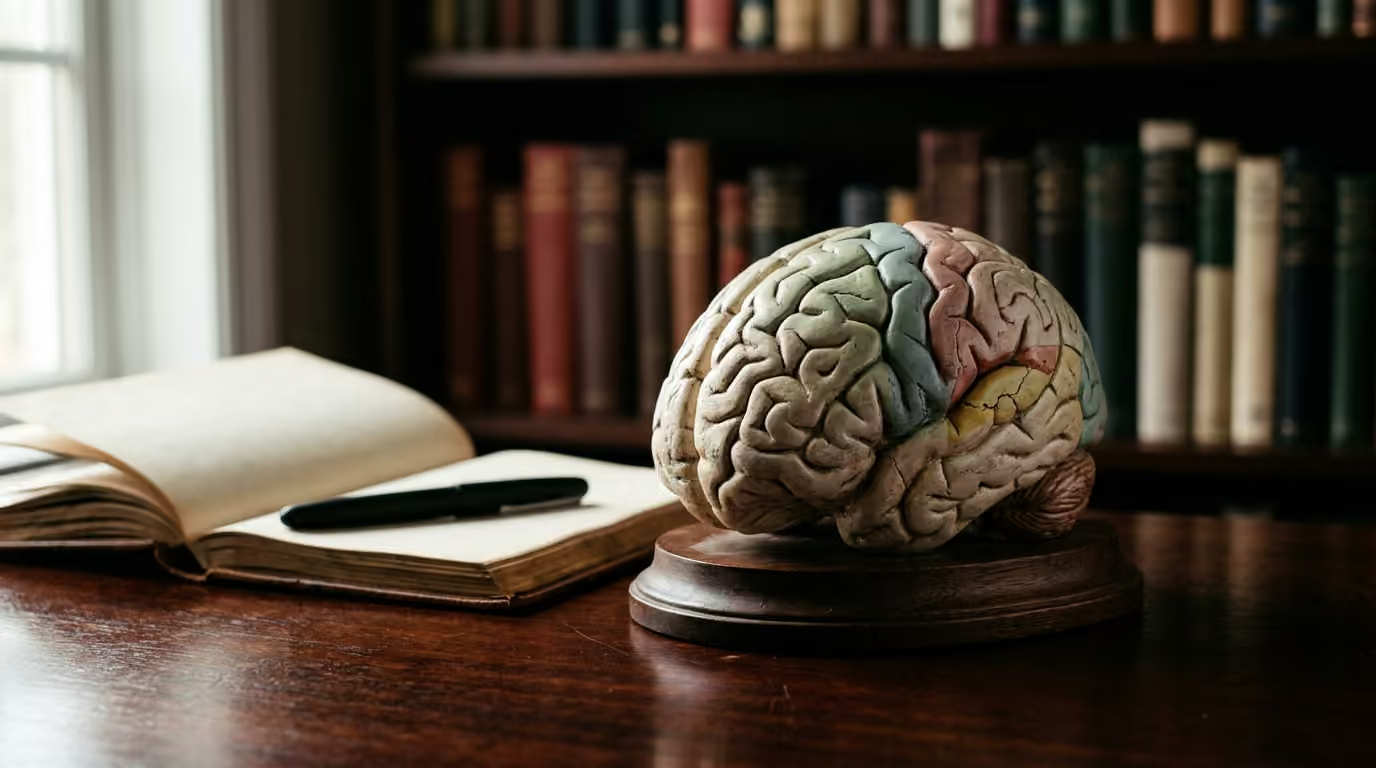
This comprehensive course gives you the clinical knowledge and practical skills to assess, treat, and support individuals struggling with addiction. From neurobiology and pharmacology to evidence-based therapies and relapse prevention, every module is grounded in current science. Whether you are entering the field or expanding your expertise, this course prepares you to make a real difference.
What you will learn:
You will gain a thorough understanding of how addiction develops, how the brain is affected, and how major substance classes work pharmacologically. You will learn to conduct comprehensive clinical assessments, apply motivational interviewing, and deliver cognitive-behavioural and contingency management interventions. The course also covers co-occurring mental health disorders, trauma-informed care, harm reduction, and special populations including adolescents, older adults, and pregnant individuals. You will finish with the tools to build individualised relapse prevention plans and support long-term recovery.
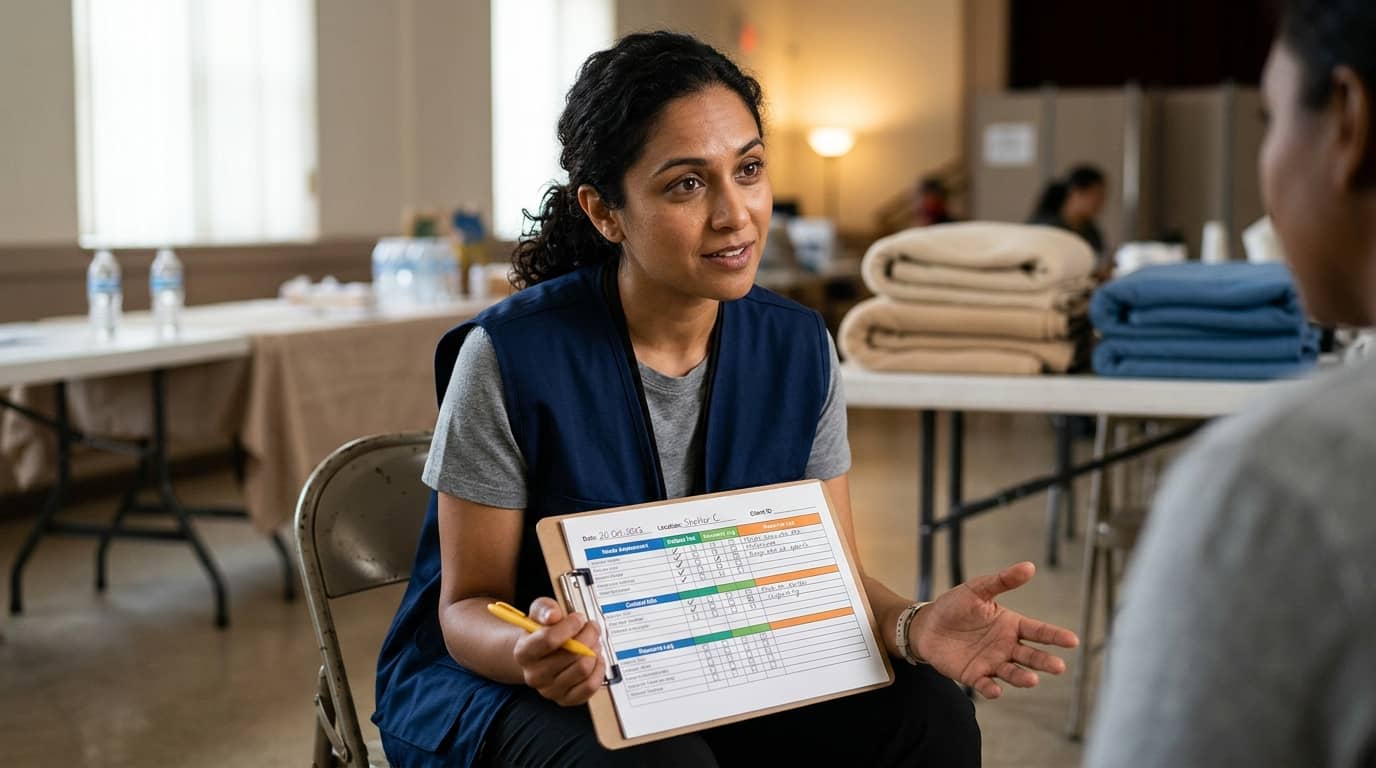
How you study practically Addiction Studies Course
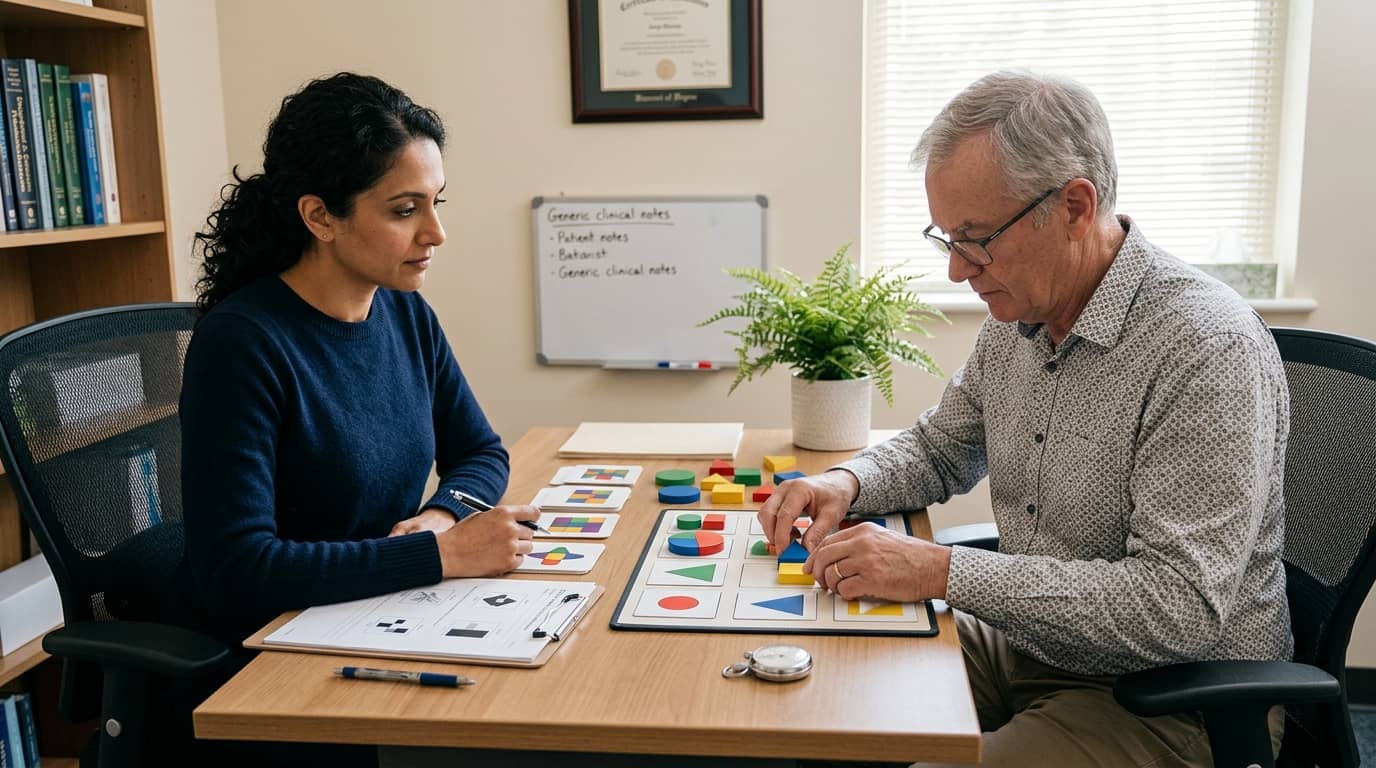
How you practise Addiction Studies Course
For companies looking to train their teams
With Dedika for businesses, the course includes exercises and examples tailored to your own business and the way your company needs.

Course content
8 Chapters • 39 LessonsDuration between 4 and 360 hours (you decide)
Chapter 1HideHide detailsSee detailsFoundations of Addiction Science
Foundations of Addiction Science
Lesson 1 • Historical and Cultural Perspectives
Traces addiction's evolving definition from moral failing to medical condition. Contextualises current treatment models within historical and cross-cultural frameworks.
Lesson 2 • Classification Systems and Diagnostic Tools
Covers major diagnostic classification systems and standardised screening instruments. Enables accurate identification and categorisation of addiction presentations.
Lesson 3 • Defining Addiction and Dependence
Clarifies distinctions between use, misuse, abuse, dependence, and addiction. Provides the conceptual vocabulary essential for all subsequent clinical and theoretical content.
Lesson 4 • Biopsychosocial Model of Addiction
Introduces the integrated model combining biological, psychological, and social factors. Grounds learners in the multidimensional causation framework used throughout the course.
Chapter 2HideHide detailsSee detailsNeurobiology of Addiction
Neurobiology of Addiction
Lesson 1 • Behavioural Addictions and the Brain
Compares neurobiological profiles of gambling, gaming, and other behavioural addictions to substance use disorders. Validates behavioural addiction as a neurobiological phenomenon.
Lesson 2 • Neuroadaptation and Tolerance
Examines how repeated exposure causes receptor downregulation and homeostatic shifts. Explains the neurological basis of tolerance and escalating use.
Lesson 3 • Withdrawal and Craving Mechanisms
Details the neurochemical basis of withdrawal syndromes and cue-induced craving. Links these mechanisms to relapse vulnerability and treatment targets.
Lesson 4 • Brain Reward Circuitry
Describes the mesolimbic dopamine system and its role in reinforcement. Connects reward pathway function to compulsive drug-seeking behaviour.
Lesson 5 • Genetic and Epigenetic Influences
Reviews heritability estimates and gene-environment interactions in addiction risk. Prepares learners to discuss genetic factors with clients without deterministic framing.
Chapter 3HideHide detailsSee detailsPharmacology of Addictive Substances
Pharmacology of Addictive Substances
Lesson 1 • Hallucinogens, Inhalants, and Polysubstance Use
Reviews serotonergic hallucinogens, inhalant toxicity, and the complexity of polysubstance presentations. Prepares learners for diverse and overlapping clinical scenarios.
Lesson 2 • Stimulants and Cannabinoids
Compares dopaminergic stimulant mechanisms with cannabinoid receptor pharmacology. Addresses distinct addiction profiles and clinical presentations of each class.
Lesson 3 • Pharmacokinetics and Pharmacodynamics
Covers absorption, distribution, metabolism, and excretion principles relevant to addictive substances. Establishes the pharmacological foundation for understanding drug effects.
Lesson 4 • Opioids and Pain Pathways
Details mu-receptor agonism, analgesic use, and the opioid addiction cycle. Connects pharmacology to overdose recognition and reversal strategies.
Lesson 5 • Alcohol and Sedative-Hypnotics
Examines GABA-ergic mechanisms, intoxication, and withdrawal severity of alcohol and benzodiazepines. Highlights life-threatening withdrawal risks requiring medical management.
Chapter 4HideHide detailsSee detailsAssessment and Screening in Addiction
Assessment and Screening in Addiction
Lesson 1 • Risk and Severity Assessment
Applies tools to assess overdose risk, withdrawal severity, and level-of-care needs. Connects severity findings to placement criteria and safety planning.
Lesson 2 • Validated Screening Instruments
Reviews psychometrically validated tools for alcohol, drugs, and behavioural addictions. Trains learners to select and administer instruments appropriate to the clinical context.
Lesson 3 • Comprehensive Clinical Interview
Structures a full biopsychosocial intake covering substance history, consequences, and strengths. Develops rapport-building and motivational interviewing-aligned questioning skills.
Lesson 4 • Clinical Formulation and Case Conceptualisation
Synthesises assessment data into a biopsychosocial formulation that guides treatment planning. Bridges assessment findings to individualised intervention selection.
Lesson 5 • Screening vs. Comprehensive Assessment
Distinguishes brief screening from full diagnostic assessment and clarifies when each is appropriate. Establishes the assessment continuum as a clinical decision-making framework.
Chapter 5HideHide detailsSee detailsEvidence-Based Treatment Approaches
Evidence-Based Treatment Approaches
Lesson 1 • Twelve-Step and Mutual Aid Models
Examines the structure, philosophy, and evidence base of twelve-step and alternative mutual aid programmes. Prepares learners to facilitate referrals and integrate peer support into care.
Lesson 2 • Contingency Management and Behavioural Therapies
Explains reinforcement-based interventions including contingency management and community reinforcement. Demonstrates how behavioural principles drive abstinence and prosocial behaviour.
Lesson 3 • Medications for Addiction Treatment
Reviews FDA-recognised medication classes for alcohol, opioid, and tobacco use disorders. Equips non-prescribers to support medication-assisted treatment and address client concerns.
Lesson 4 • Motivational Interviewing
Teaches the spirit, principles, and core skills of motivational interviewing for ambivalence resolution. Directly applicable to engagement and retention across all treatment settings.
Lesson 5 • Cognitive Behavioural Therapy for Addiction
Applies CBT models to identify triggers, modify cognitions, and build coping skills. Provides a structured, manualised approach adaptable to individual and group formats.
Chapter 6HideHide detailsSee detailsCo-Occurring Disorders and Dual Diagnosis
Co-Occurring Disorders and Dual Diagnosis
Lesson 1 • Psychotic and Personality Disorders
Addresses the unique challenges of treating addiction alongside schizophrenia spectrum and personality disorders. Focuses on engagement strategies and modified treatment approaches.
Lesson 2 • Integrated Treatment Planning
Synthesises dual diagnosis assessment into a unified treatment plan addressing both conditions. Develops skills for coordinating across psychiatric, medical, and addiction services.
Lesson 3 • Mood and Anxiety Disorders
Covers assessment and treatment adaptation for depression, bipolar disorder, and anxiety co-occurring with addiction. Addresses diagnostic complexity when substances mask or mimic symptoms.
Lesson 4 • Trauma and PTSD in Addiction
Examines the bidirectional relationship between trauma, PTSD, and substance use. Introduces trauma-informed and trauma-focused treatment adaptations.
Lesson 5 • Prevalence and Conceptual Models
Reviews epidemiological data on co-occurrence and competing causal models. Establishes why integrated treatment outperforms sequential or parallel approaches.
Chapter 7HideHide detailsSee detailsRelapse Prevention and Recovery Management
Relapse Prevention and Recovery Management
Lesson 1 • Identifying and Managing Triggers
Trains clients to map internal and external triggers using functional analysis. Builds a personalised trigger management toolkit grounded in behavioural and cognitive strategies.
Lesson 2 • Relapse Prevention Theory
Presents Marlatt's cognitive-behavioural relapse prevention model and its empirical support. Frames relapse as a process with identifiable warning signs rather than a sudden event.
Lesson 3 • Recovery Capital and Support Networks
Introduces recovery capital theory covering personal, social, and community resources. Guides learners to assess and build client recovery capital systematically.
Lesson 4 • Long-Term Recovery Management
Applies a chronic care model to addiction, emphasising ongoing monitoring and stepped care. Prepares learners to support sustained recovery beyond acute treatment episodes.
Lesson 5 • Coping Skills and Lifestyle Balance
Develops behavioural and cognitive coping repertoires to replace substance use. Addresses lifestyle imbalance as a chronic relapse risk factor.
Chapter 8HideHide detailsSee detailsSpecial Populations and Ethical Practice
Special Populations and Ethical Practice
Lesson 1 • Adolescents and Young Adults
Addresses developmental factors, screening adaptations, and age-appropriate interventions for youth. Covers consent, confidentiality, and family involvement considerations.
Lesson 2 • Cultural Responsiveness in Addiction Care
Develops cultural humility and adapts evidence-based practices to diverse cultural contexts. Addresses disparities in access, engagement, and treatment outcomes.
Lesson 3 • Older Adults and Addiction
Examines late-onset addiction, polypharmacy risks, and age-specific screening challenges. Adapts treatment approaches to cognitive, physical, and social changes of ageing.
Lesson 4 • Pregnant and Postpartum Individuals
Covers fetal effects of substance exposure, neonatal abstinence syndrome, and treatment during pregnancy. Emphasises harm reduction and non-punitive engagement strategies.
Lesson 5 • Ethics, Boundaries, and Professional Standards
Applies ethical principles of autonomy, beneficence, and confidentiality to addiction practice. Prepares learners to navigate dual relationships, mandatory reporting, and scope of practice.
Your valid completion certificate
This course is for you:
Mental health counsellor: wants to competently address addiction alongside existing caseloads.
Social worker: encounters substance use daily but lacks specialised clinical addiction training.
Nursing professional: needs pharmacological and withdrawal knowledge for patient safety decisions.
Career changer: moving from peer recovery support into a credentialed clinical counselling role.
Prevention specialist: seeks a deeper scientific foundation to strengthen community programme design.
HR or EAP professional: responsible for employee substance use policies and referral pathways.
What our students say
Your lessons are perfect. I purchased the one-year package and finally have the opportunity to follow various topics of my interest without needing to change platforms... I thank you for everything you do, I've already recommended you to other people...

I like how the lessons are straight to the point and how I can change chapters and skip content I don't need.

I like the content and the way videos are presented and transcribed, which speeds up the process!

The platform is fast, simple to use. The diversity of content and complementary videos help a lot with learning.

Top training programmes













FAQ
Who is Dedika?
Is the certificate valid in Kenya?
Are the courses free?
What is the course workload?
What are the courses like?
How do the courses work?
What is the duration of the courses?
What is the cost or price of the courses?
What is an EAD or online course and how does it work?
PDF Course