
Emotional Biodecoding Course
Discover how unresolved emotional conflicts drive physical symptoms — and learn a proven methodology to decode them. This course gives you the tools to identify biological conflicts, map them to organ systems, and guide clients through lasting resolution. Whether you are a wellness practitioner or a curious seeker, this training transforms how you understand the body-mind connection.
What you will learn:
In this course, you will build a complete working knowledge of emotional biodecoding from the ground up. You will learn how to identify and categorise biological conflicts, map symptoms to specific organ systems, and apply a structured five-phase decoding process in real client sessions. You will also explore transgenerational patterns using family tree analysis and develop the skills to support clients through the biological healing phase. Advanced modules cover complex cases, resistance, and integration with complementary modalities. By the end, you will have the practical competencies to facilitate professional biodecoding sessions with confidence and ethical clarity.
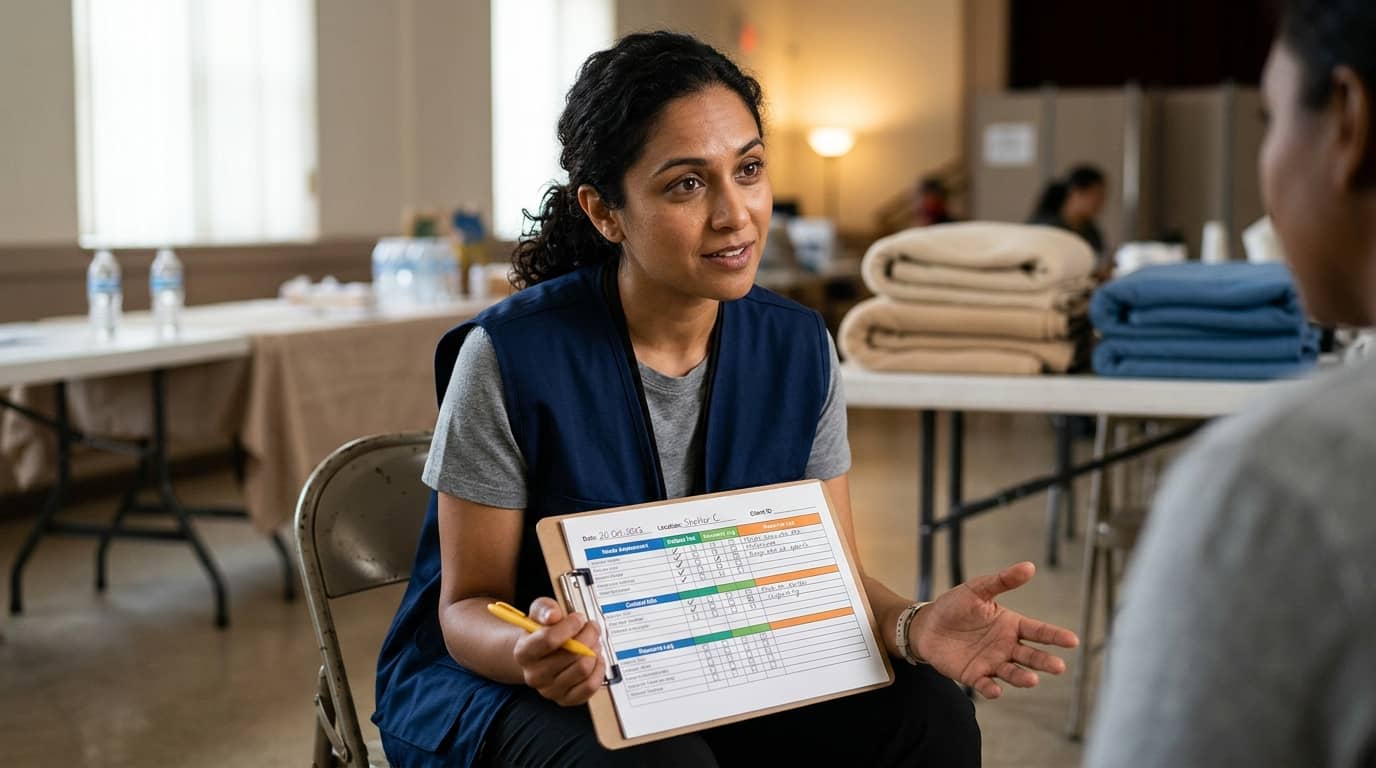
How you study practically Emotional Biodecoding Course
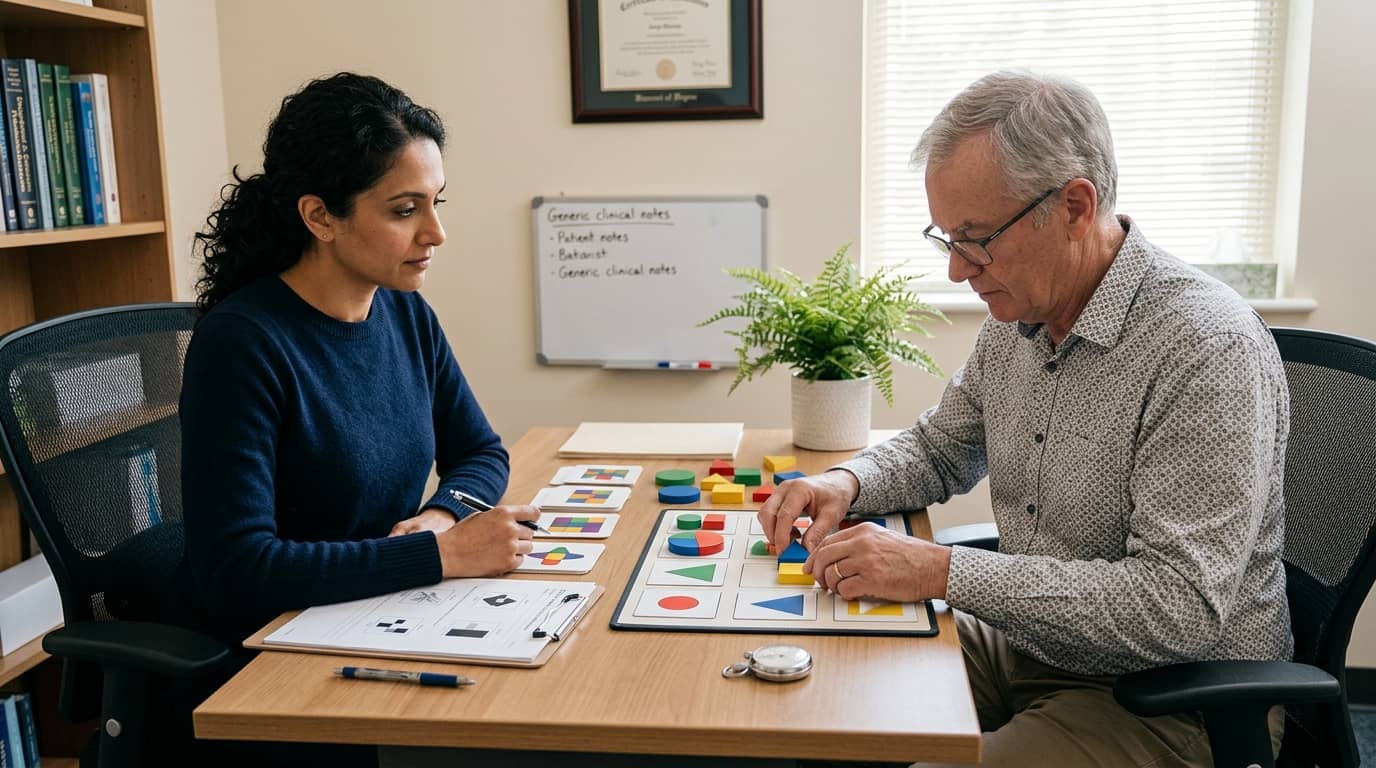
How you practise Emotional Biodecoding Course
For companies looking to train their teams
With Dedika for businesses, the course includes exercises and examples tailored to your own business and the way your company needs.

Course content
8 Chapters • 37 LessonsDuration between 4 and 360 hours (you decide)
Chapter 1HideHide detailsSee detailsFoundations of Emotional Biodecoding
Foundations of Emotional Biodecoding
Lesson 1 • Core Vocabulary and Concepts
Defines essential terms used throughout the course. Ensures students share a precise, consistent language before applying techniques.
Lesson 2 • The Emotion-Biology Connection
Explains how emotional states trigger measurable biological responses. Provides the physiological rationale that underpins all subsequent decoding work.
Lesson 3 • Ethical Framework for Practice
Outlines professional boundaries, informed consent, and scope of practice. Grounds students in responsible application from the outset.
Lesson 4 • Origins and Core Principles
Trace the historical roots of mind-body medicine and biodecoding's emergence. Establishes the intellectual lineage students need to contextualise the method.
Chapter 2HideHide detailsSee detailsBiological Conflict Identification
Biological Conflict Identification
Lesson 1 • Types of Biological Conflicts
Catalogues the primary conflict categories linked to organ systems. Gives students a classification framework for systematic symptom analysis.
Lesson 2 • Organ-Conflict Mapping
Links specific organs and tissues to their corresponding emotional conflicts. Builds the diagnostic map students apply in client sessions.
Lesson 3 • Conflict Onset and Timing
Teaches how to locate the precise moment a biological conflict began. Accurate timing is essential for tracing symptom progression.
Lesson 4 • Conflict Intensity Assessment
Introduces tools for gauging how deeply a conflict is embedded. Intensity assessment guides session depth and pacing decisions.
Lesson 5 • Case Intake and Conflict Profiling
Structures the initial client interview to surface relevant conflict data. Integrates all identification skills into a repeatable intake protocol.
Chapter 3HideHide detailsSee detailsEmotional Decoding Methodology
Emotional Decoding Methodology
Lesson 1 • The Decoding Process Overview
Presents the full decoding sequence as an integrated workflow. Students see how each step connects before practising individual components.
Lesson 2 • Symbolic Language of Symptoms
Teaches how to read the metaphorical meaning encoded in physical symptoms. Symbolic literacy accelerates accurate conflict identification.
Lesson 3 • Documenting Decoded Conflicts
Establishes standards for recording decoded information accurately and ethically. Proper documentation supports continuity and professional accountability.
Lesson 4 • Questioning Techniques for Decoding
Develops precision questioning skills that surface unconscious conflict content. Effective questions are the practitioner's primary decoding instrument.
Lesson 5 • Emotional Resonance and Validation
Explains how to confirm that a decoded conflict resonates authentically with the client. Resonance validation prevents misattribution and deepens trust.
Chapter 4HideHide detailsSee detailsTransgenerational and Family Patterns
Transgenerational and Family Patterns
Lesson 1 • Family Tree Analysis
Teaches systematic genogram construction to reveal recurring conflict themes. The family tree becomes a diagnostic tool for inherited symptom patterns.
Lesson 2 • Identifying Inherited Conflict Themes
Develops skill in spotting thematic repetitions across generations. Students distinguish personal conflicts from inherited ones during sessions.
Lesson 3 • Transgenerational Transmission Basics
Introduces the mechanisms by which emotional conflicts pass through family lines. Provides the conceptual foundation for all transgenerational work.
Lesson 4 • Working with Ancestral Conflicts
Provides techniques for addressing inherited conflicts in client sessions. Ancestral work requires adapted approaches distinct from personal conflict resolution.
Chapter 5HideHide detailsSee detailsHealing Phase and Symptom Resolution
Healing Phase and Symptom Resolution
Lesson 1 • The Healing Phase Explained
Describes the biological repair process activated after a conflict resolves. Students learn why healing symptoms differ from active-conflict symptoms.
Lesson 2 • Supporting Clients Through Healing
Provides practical strategies for accompanying clients during the healing phase. Appropriate support reduces fear and promotes complete resolution.
Lesson 3 • Monitoring Resolution Progress
Establishes methods for tracking symptom changes as healing progresses. Systematic monitoring confirms resolution and detects incomplete conflict work.
Lesson 4 • Healing Crisis Recognition
Teaches identification of the peak healing moment and its intense symptom expression. Recognising the crisis prevents misinterpretation as disease worsening.
Chapter 6HideHide detailsSee detailsPractical Session Facilitation Skills
Practical Session Facilitation Skills
Lesson 1 • Practitioner Self-Care and Boundaries
Addresses the personal sustainability practices essential for long-term practice. Boundary clarity and self-care prevent burnout and countertransference.
Lesson 2 • Creating a Safe Session Container
Establishes the environmental and relational conditions for productive sessions. Safety is the prerequisite for clients to access deep emotional material.
Lesson 3 • Session Structure and Pacing
Teaches how to organise a session from opening to closure with appropriate pacing. Structure prevents overwhelm and ensures all key phases are completed.
Lesson 4 • Working with Emotional Activation
Develops skills for holding space when clients experience strong emotional responses. Competent management of activation deepens therapeutic outcomes.
Lesson 5 • Multi-Session Case Management
Covers planning and managing client work across multiple sessions. Longitudinal case management ensures coherent progress toward resolution.
Chapter 7HideHide detailsSee detailsSpecialised Applications by Symptom Domain
Specialised Applications by Symptom Domain
Lesson 1 • Neurological and Sensory Symptoms
Addresses conflicts underlying neurological symptoms and sensory organ conditions. Students apply decoding to hearing, vision, and motor symptom presentations.
Lesson 2 • Skin, Immune, and Hormonal Conditions
Decodes separation, contact, and identity conflicts expressed through skin and immune responses. Hormonal symptoms reflect deep relational and identity conflicts.
Lesson 3 • Digestive and Metabolic Conditions
Maps emotional conflicts to digestive organs and metabolic processes. Students decode ingestion, assimilation, and elimination conflict themes.
Lesson 4 • Respiratory and Cardiovascular Symptoms
Identifies the fear, territory, and relationship conflicts driving respiratory and cardiac symptoms. These domains require careful coordination with medical care.
Lesson 5 • Chronic Pain and Musculoskeletal Symptoms
Decodes the conflict patterns underlying persistent pain and movement limitations. Musculoskeletal symptoms are among the most frequent client presentations.
Chapter 8HideHide detailsSee detailsAdvanced Integration and Case Complexity
Advanced Integration and Case Complexity
Lesson 1 • Working with Resistance and Blocks
Identifies forms of client resistance and provides strategies to work through them. Resistance often signals deeper loyalty or secondary gain dynamics.
Lesson 2 • Strategic Case Conceptualisation
Develops the ability to form a coherent case narrative that guides the entire treatment arc. Strategic conceptualisation distinguishes advanced practitioners from beginners.
Lesson 3 • Managing Multiple Concurrent Conflicts
Teaches prioritisation when clients present with several active conflicts simultaneously. Sequencing decisions determine session effectiveness and client safety.
Lesson 4 • Integrating Biodecoding with Other Modalities
Explores how biodecoding complements other therapeutic and wellness approaches. Integration expands practitioner effectiveness without diluting the core method.
Lesson 5 • Incomplete Resolution and Relapse
Addresses cases where symptoms persist or return after initial decoding work. Students learn to identify what remains unresolved and adjust their approach.
Your valid completion certificate
This course is for you:
Holistic health coaches: ready to add a body-mind decoding dimension to their practice.
Naturopathic practitioners: seeking a structured framework for emotional root-cause analysis.
Mental health counselors: wanting to incorporate somatic and biological conflict perspectives.
Career changers from nursing: drawn to integrative approaches beyond conventional clinical care.
Personal development enthusiasts: fascinated by how family history shapes their physical health.
Yoga and meditation teachers: looking to deepen their understanding of stress and healing.
What our students say
Your lessons are perfect. I purchased the one-year package and finally have the opportunity to follow various topics of my interest without needing to change platforms... I thank you for everything you do, I've already recommended you to other people...

I like how the lessons are straight to the point and how I can change chapters and skip content I don't need.

I like the content and the way videos are presented and transcribed, which speeds up the process!

The platform is fast, simple to use. The diversity of content and complementary videos help a lot with learning.

Top training programmes














FAQ
Who is Dedika?
Is the certificate valid in Kenya?
Are the courses free?
What is the course workload?
What are the courses like?
How do the courses work?
What is the duration of the courses?
What is the cost or price of the courses?
What is an EAD or online course and how does it work?
PDF Course