
Intergenerational Trauma Course
Master the theory and clinical practice of transgenerational psychoanalysis, from Abraham and Torok's phantom and crypt to loyalty bonds and collective trauma transmission. This course equips mental health professionals with rigorous frameworks and practical tools to identify, assess, and treat multigenerational psychological patterns in their patients.
What you will learn:
This course covers the foundational theories of transgenerational psychoanalysis, including the work of Abraham, Torok, Boszormenyi-Nagy, and Schützenberger. You will learn to construct and interpret genograms and genosociograms as clinical instruments for mapping family transmission. The curriculum addresses how family secrets, unmourned losses, and loyalty bonds generate symptoms across generations. You will develop specific therapeutic interventions for naming phantoms, renegotiating loyalty bonds, and working with collective and historical trauma. Assessment methods for children, couples, and complex cases are included, alongside ethics, countertransference management, and long-term treatment planning.
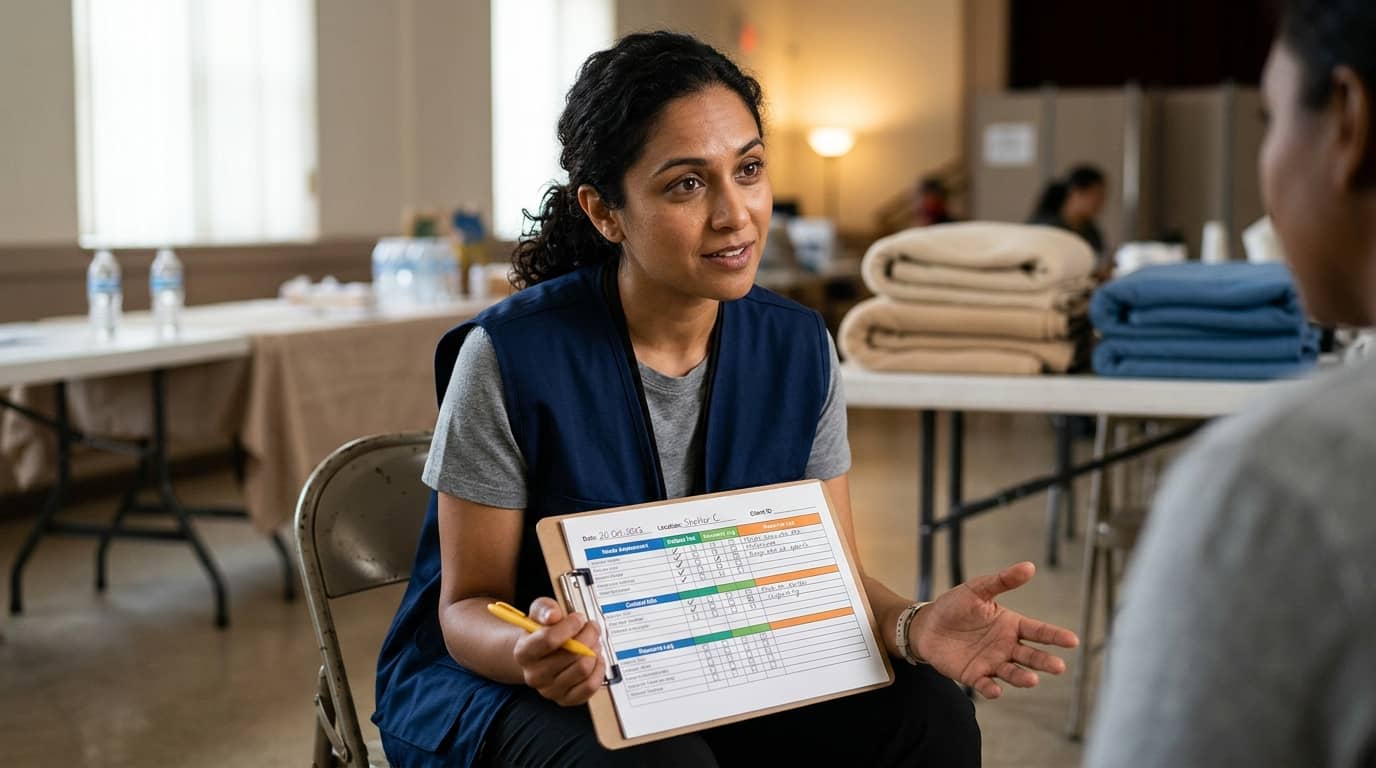
How you study practically Intergenerational Trauma Course
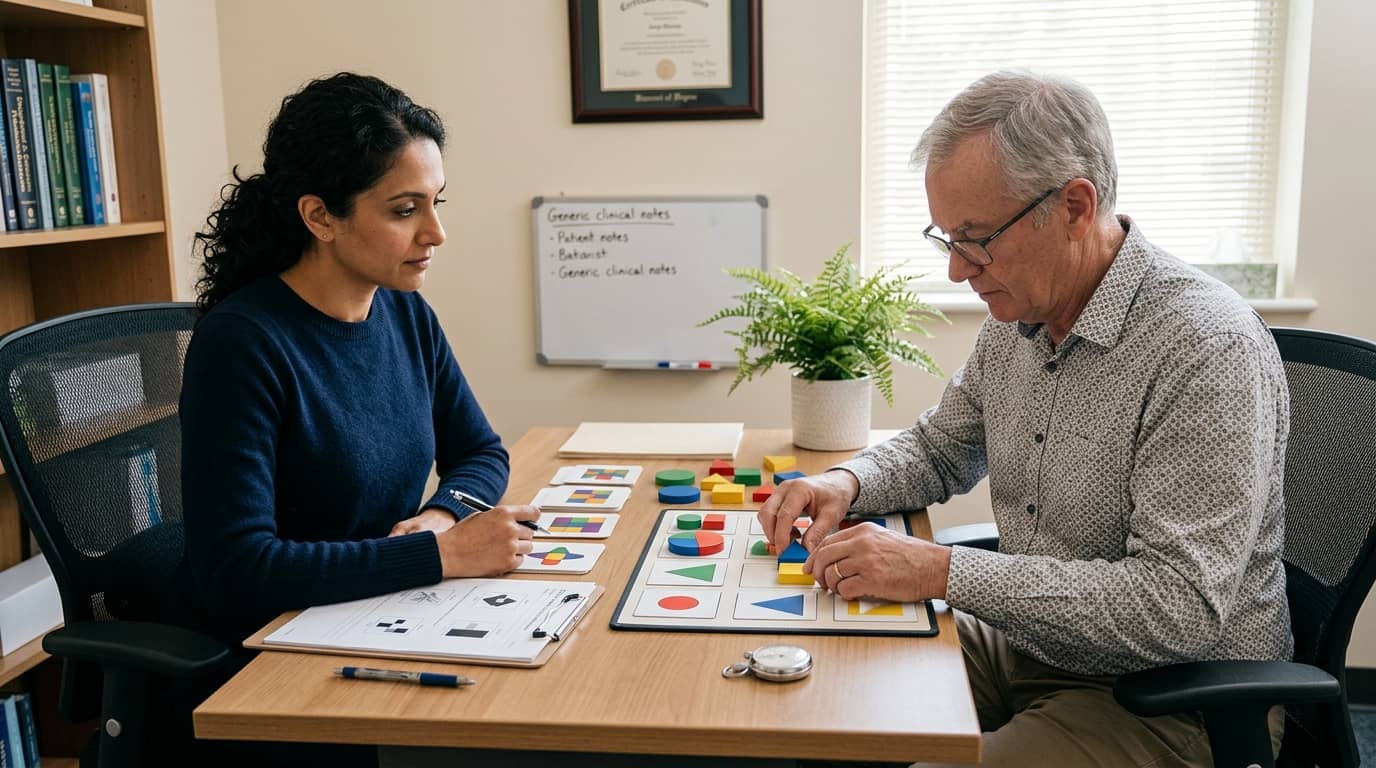
How you practise Intergenerational Trauma Course
For companies looking to train their teams
With Dedika for businesses, the course includes exercises and examples tailored to your own business and the way your company needs.

Course content
8 Chapters • 34 LessonsDuration between 4 and 360 hours (you decide)
Chapter 1HideHide detailsSee detailsFoundations of Transgenerational Psychoanalysis
Foundations of Transgenerational Psychoanalysis
Lesson 1 • Historical Roots and Key Pioneers
Traces the emergence of transgenerational thinking from Freud through Ferenczi, Abraham, and Torok. Situates the field within the broader evolution of psychoanalytic theory.
Lesson 2 • Core Concepts and Terminology
Defines essential terms including the phantom, crypt, loyalty bonds, and invisible loyalties. Provides a shared vocabulary for all subsequent clinical and theoretical study.
Lesson 3 • Mechanisms of Psychic Transmission
Examines how unprocessed trauma, secrets, and affects pass between generations. Connects transmission mechanisms to observable clinical presentations.
Lesson 4 • Distinguishing Transmission from Inheritance
Clarifies the boundary between biological inheritance, cultural transmission, and psychic transmission. Prevents conceptual conflation that undermines clinical precision.
Chapter 2HideHide detailsSee detailsThe Phantom and the Crypt
The Phantom and the Crypt
Lesson 1 • Abraham and Torok's Theoretical Framework
Presents the full architecture of the phantom and crypt theory as developed by Abraham and Torok. Grounds students in the primary texts before clinical application.
Lesson 2 • The Role of Family Secrets
Analyzes how concealed family events generate phantom formations in subsequent generations. Demonstrates the clinical weight of silence and shame in transmission.
Lesson 3 • Mourning, Unmourning, and Transmission
Explores how incomplete mourning processes create conditions for transgenerational transmission. Links mourning theory to the formation and dissolution of phantoms.
Lesson 4 • Clinical Manifestations of the Phantom
Identifies how phantom formations appear in symptoms, dreams, and behavioral enactments. Connects theoretical constructs to recognizable clinical material.
Chapter 3HideHide detailsSee detailsLoyalty Bonds and Family Scripts
Loyalty Bonds and Family Scripts
Lesson 1 • Ivan Boszormenyi-Nagy's Contextual Theory
Introduces relational ethics, invisible loyalties, and the ledger of merits and debts. Provides a systemic complement to intrapsychic transgenerational models.
Lesson 2 • Loyalty Conflicts and Symptom Formation
Demonstrates how unresolved loyalty conflicts generate anxiety, depression, and relational dysfunction. Bridges systemic and intrapsychic perspectives on symptom origin.
Lesson 3 • Mandates, Missions, and Injunctions
Analyses explicit and implicit mandates transmitted from parents to children. Distinguishes life-affirming missions from pathogenic injunctions.
Lesson 4 • Family Myths and Narrative Scripts
Examines how families construct shared narratives that prescribe roles and constrain individual development. Connects family mythology to symptom formation.
Chapter 4HideHide detailsSee detailsGenealogical Investigation Methods
Genealogical Investigation Methods
Lesson 1 • The Genogram as Clinical Instrument
Teaches standard genogram construction including symbols, relationship lines, and notations. Establishes the genogram as the primary mapping tool in transgenerational work.
Lesson 2 • The Genosociogram Technique
Presents Schützenberger's genosociogram as an expanded genealogical tool integrating dates, events, and anniversary reactions. Extends standard genogram analysis.
Lesson 3 • Interpreting Patterns and Repetitions
Trains students to identify recurring dates, illnesses, losses, and relational patterns across the genogram. Translates pattern recognition into clinical hypotheses.
Lesson 4 • Limitations and Ethical Considerations
Addresses the risks of over-interpretation, projection, and genealogical determinism. Ensures responsible and bounded use of genealogical methods.
Lesson 5 • Gathering Family History Clinically
Provides interviewing strategies for eliciting multigenerational history without destabilising the patient. Balances curiosity with therapeutic containment.
Chapter 5HideHide detailsSee detailsTrauma, History, and Collective Transmission
Trauma, History, and Collective Transmission
Lesson 1 • Colonial Trauma and Racial Transmission
Examines how colonialism, slavery, and systemic racism transmit psychic wounds across generations. Integrates postcolonial perspectives into transgenerational theory.
Lesson 2 • Societal Transmission and Cultural Memory
Explores how cultural rituals, narratives, and commemorations mediate or perpetuate collective trauma. Connects cultural memory to individual psychic structure.
Lesson 3 • Historical Trauma and Its Psychic Legacy
Defines historical trauma and examines how war, genocide, and persecution leave multigenerational psychic residues. Grounds collective trauma in individual clinical experience.
Lesson 4 • Holocaust and Post-Genocide Transmission Research
Reviews empirical and clinical research on second- and third-generation Holocaust survivors. Provides an evidence base for transgenerational trauma claims.
Chapter 6HideHide detailsSee detailsClinical Assessment in Transgenerational Work
Clinical Assessment in Transgenerational Work
Lesson 1 • Assessing Transmission in Children and Adolescents
Adapts transgenerational assessment methods for younger patients. Addresses developmental considerations in identifying transmitted material.
Lesson 2 • Differential Assessment Considerations
Distinguishes transgenerational dynamics from personal trauma, attachment disorders, and personality pathology. Prevents misattribution of symptoms to genealogical causes.
Lesson 3 • Transgenerational Case Formulation
Teaches a structured method for synthesising multigenerational data into a working clinical formulation. Connects assessment findings to treatment planning.
Lesson 4 • Countertransference in Assessment
Identifies how the clinician's own genealogical material influences assessment accuracy. Develops reflective practices to maintain clinical objectivity.
Chapter 7HideHide detailsSee detailsTherapeutic Techniques and Interventions
Therapeutic Techniques and Interventions
Lesson 1 • Narrative and Witnessing Techniques
Uses narrative reconstruction and therapeutic witnessing to restore disrupted family histories. Connects narrative approaches to mourning and identity repair.
Lesson 2 • Body-Based and Somatic Approaches
Integrates somatic awareness into transgenerational work to address bodily transmission. Addresses symptoms that resist purely verbal intervention.
Lesson 3 • Working with Family Secrets Therapeutically
Provides strategies for approaching and metabolising family secrets within the therapeutic frame. Balances revelation with containment and pacing.
Lesson 4 • Naming and Symbolising the Phantom
Teaches the technique of verbally naming phantom formations to reduce their symptomatic power. Demonstrates how symbolisation transforms unconscious haunting into conscious material.
Lesson 5 • Loyalty Bond Interventions
Applies contextual therapy techniques to renegotiate destructive loyalty bonds. Enables patients to honour ancestors while freeing themselves from binding mandates.
Chapter 8HideHide detailsSee detailsAdvanced Practice and Case Integration
Advanced Practice and Case Integration
Lesson 1 • Long-Term Treatment Planning
Designs phased treatment plans that sequence transgenerational interventions appropriately. Addresses pacing, regression, and therapeutic milestones.
Lesson 2 • Evaluating Treatment Outcomes
Establishes criteria for assessing progress and outcome in transgenerational treatment. Connects symptom reduction to deeper structural change.
Lesson 3 • Complex Case Conceptualisation
Applies the full transgenerational framework to cases involving multiple overlapping transmission vectors. Develops tolerance for clinical complexity and ambiguity.
Lesson 4 • Working with Couples and Families
Extends transgenerational methods to couple and family treatment modalities. Addresses how transmission dynamics manifest in relational systems.
Your valid completion certificate
This course is for you:
Licensed therapists: seeking to understand why certain patient patterns resist standard treatment.
Psychoanalysts: wanting to expand their framework beyond individual intrapsychic dynamics.
Clinical social workers: working with families carrying visible histories of collective trauma.
Psychiatrists: curious about how ancestral history shapes present-day symptom profiles.
Grief counsellors: encountering mourning complications that span more than one generation.
Researchers: investigating the intersection of family systems, trauma, and epigenetic science.
What our students say
Your lessons are perfect. I purchased the one-year package and finally have the opportunity to follow various topics of my interest without needing to change platforms... I thank you for everything you do, I've already recommended you to other people...

I like how the lessons are straight to the point and how I can change chapters and skip content I don't need.

I like the content and the way videos are presented and transcribed, which speeds up the process!

The platform is fast, simple to use. The diversity of content and complementary videos help a lot with learning.

Top training programmes














FAQ
Who is Dedika?
Is the certificate valid in Kenya?
Are the courses free?
What is the course workload?
What are the courses like?
How do the courses work?
What is the duration of the courses?
What is the cost or price of the courses?
What is an EAD or online course and how does it work?
PDF Course