
Therapeutic Support Worker Course
Launch a meaningful career supporting individuals with mental health conditions and disabilities. This Therapeutic Attendant Course gives you the practical skills, ethical grounding, and clinical knowledge to make a real difference in people's lives. From crisis response to daily living support, every module prepares you for the realities of the field.
What you will learn:
In this course, you will build a complete skill set for working as a professional therapeutic attendant. You will learn how to communicate effectively with diverse clients, develop person-centred care plans, and apply positive behaviour support strategies. You will gain foundational knowledge of mental health conditions, trauma-informed care, and medication awareness. The course also covers crisis response, safety planning, and professional documentation standards. You will explore motivational interviewing, cultural competence, and family engagement techniques. By the end, you will be fully prepared to work within multidisciplinary teams and deliver high-quality, ethical client support.
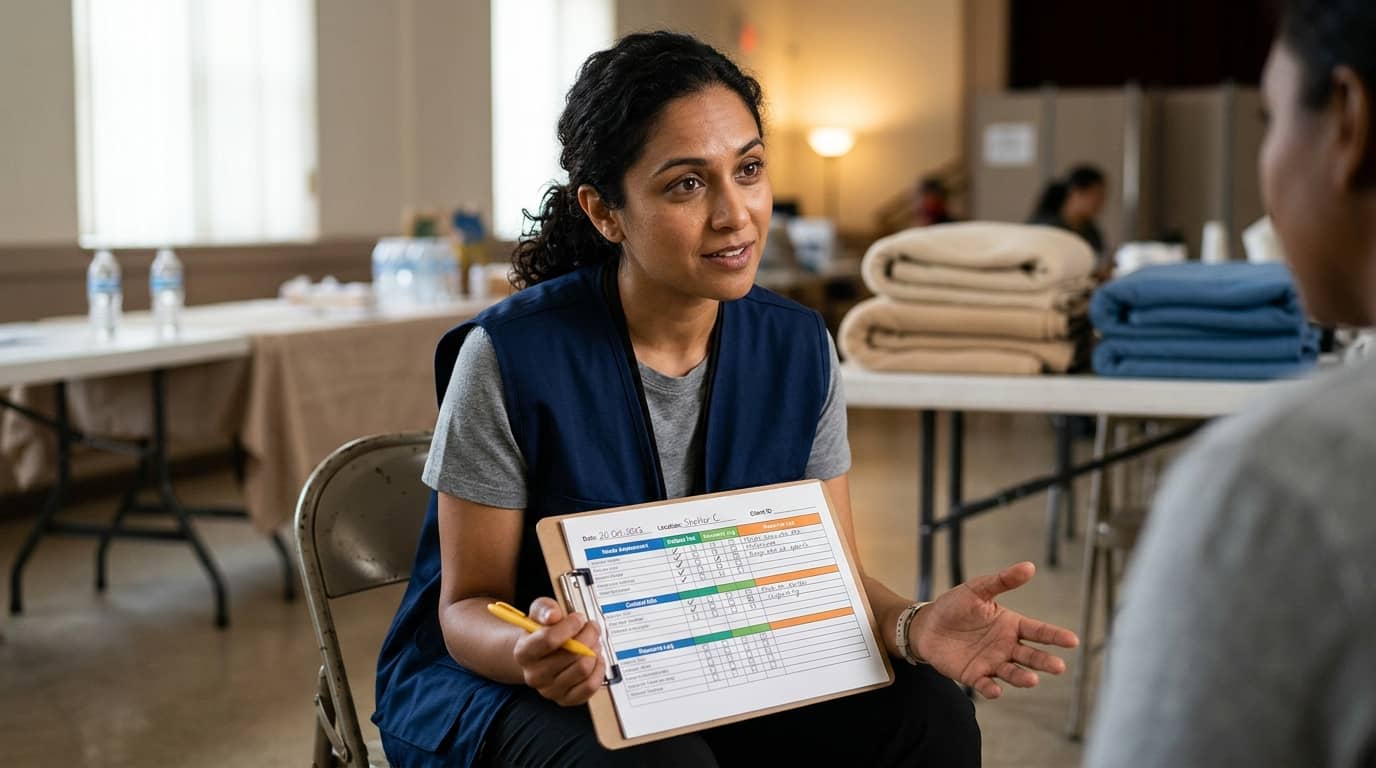
How you study practically Therapeutic Support Worker Course
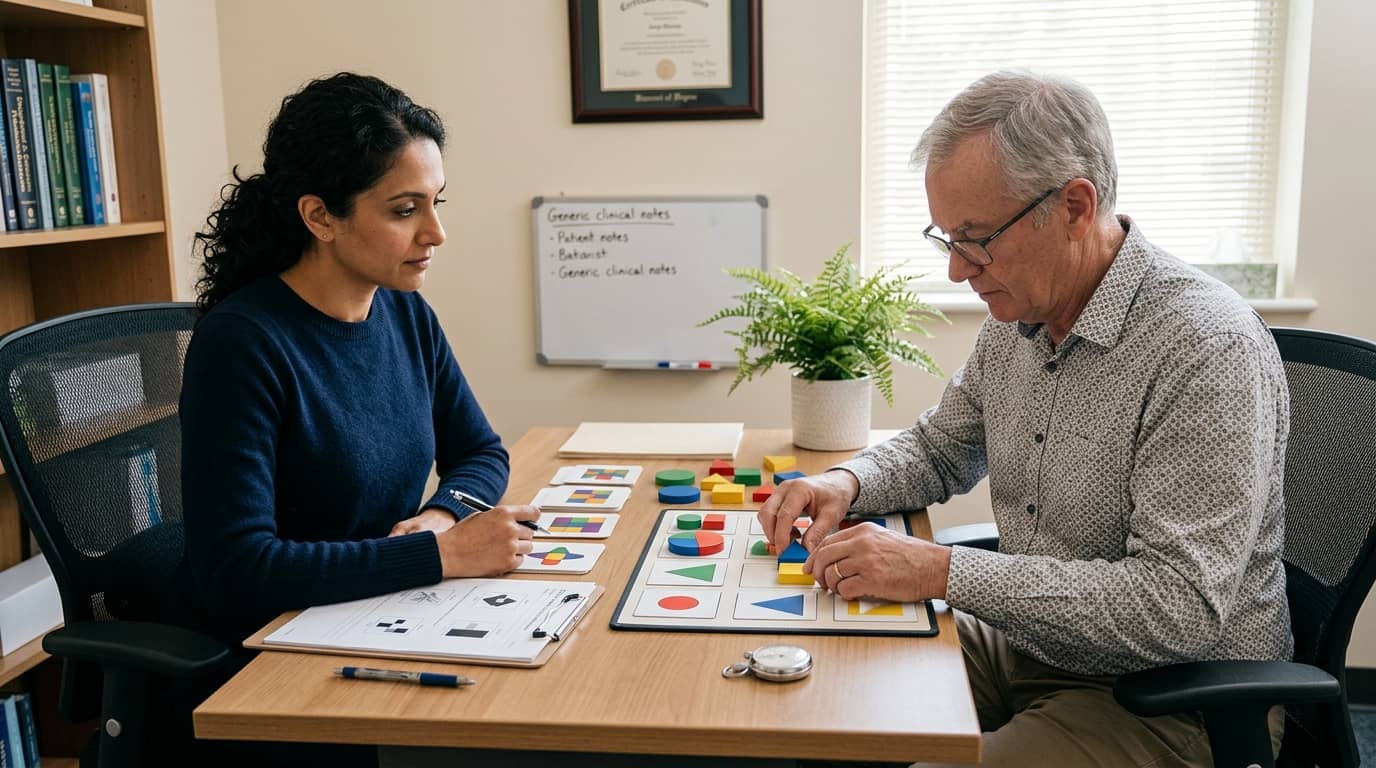
How you practise Therapeutic Support Worker Course
For companies looking to train their teams
With Dedika for businesses, the course includes exercises and examples tailored to your own business and the way your company needs.

Course content
8 Chapters • 39 LessonsDuration between 4 and 360 hours (you decide)
Chapter 1HideHide detailsSee detailsFoundations of Therapeutic Attendance
Foundations of Therapeutic Attendance
Lesson 1 • Defining the Therapeutic Attendant Role
Clarifies the scope of practice and distinguishes the role from clinical therapists and caregivers. Anchors all subsequent learning in a clear professional identity.
Lesson 2 • Core Values and Professional Ethics
Introduces dignity, respect, confidentiality, and non-maleficence as guiding principles. Provides the ethical foundation for every client interaction covered later.
Lesson 3 • Self-Awareness and Professional Identity
Examines personal values, biases, and emotional triggers that affect professional conduct. Builds reflective capacity essential for safe therapeutic relationships.
Lesson 4 • Legal and Regulatory Responsibilities
Covers compulsory reporting, duty of care, and compliance with applicable service standards. Ensures attendants operate within lawful and regulated boundaries.
Chapter 2HideHide detailsSee detailsUnderstanding Mental Health and Disability
Understanding Mental Health and Disability
Lesson 1 • Mental Health Literacy Essentials
Introduces common mental health conditions, their symptoms, and prevalence. Reduces stigma and prepares attendants to recognise presentations in the field.
Lesson 2 • Medication Awareness for Attendants
Provides non-prescriptive awareness of common psychiatric medications and observable side effects. Enables attendants to monitor and report relevant changes accurately.
Lesson 3 • Person-Centered Language and Attitudes
Teaches identity-first and person-first language conventions and their appropriate use. Ensures respectful communication aligned with client preferences.
Lesson 4 • Trauma and Its Impact on Behaviour
Explains trauma types, neurological effects, and trauma-informed care principles. Prepares attendants to interpret behaviour through a trauma-aware lens.
Lesson 5 • Disability Models and Frameworks
Contrasts the medical and social models of disability and introduces the biopsychosocial approach. Shapes how attendants interpret client needs and plan support.
Chapter 3HideHide detailsSee detailsTherapeutic Communication Skills
Therapeutic Communication Skills
Lesson 1 • Questioning and Conversation Structure
Introduces open, closed, and Socratic questioning techniques for guiding therapeutic dialogue. Enables attendants to facilitate meaningful, goal-directed conversations.
Lesson 2 • Active Listening Techniques
Teaches reflective listening, paraphrasing, and minimal encouragers to demonstrate genuine attention. Forms the communication backbone for all client-facing interactions.
Lesson 3 • Empathy and Validation Skills
Distinguishes empathy from sympathy and teaches validation of client emotional experience. Strengthens therapeutic alliance and reduces client distress.
Lesson 4 • Non-Verbal Communication Mastery
Covers body language, proxemics, facial expression, and tone as therapeutic tools. Ensures congruence between verbal and non-verbal messages in sessions.
Lesson 5 • Communicating with Diverse Populations
Adapts communication strategies for clients with cognitive, sensory, or language differences. Ensures inclusive and accessible interaction across all client groups.
Chapter 4HideHide detailsSee detailsBuilding and Maintaining Therapeutic Relationships
Building and Maintaining Therapeutic Relationships
Lesson 1 • Professional Boundaries in Practice
Defines boundary types, common violations, and strategies for maintaining appropriate limits. Protects both client welfare and attendant professional integrity.
Lesson 2 • Navigating Relationship Ruptures
Teaches recognition and repair of alliance ruptures caused by misattunement or conflict. Restoring trust after rupture is a critical advanced relational skill.
Lesson 3 • Managing Transference and Countertransference
Introduces transference dynamics and the attendant's own countertransference reactions. Equips attendants to use supervision to process relational challenges safely.
Lesson 4 • Planned Endings and Transitions
Addresses therapeutic closure, transition planning, and managing client reactions to endings. Ensures continuity of care and minimises abandonment experiences.
Lesson 5 • Establishing Rapport and Trust
Covers first-contact strategies, consistency, and reliability as trust-building tools. Rapport is the prerequisite for all therapeutic progress with clients.
Chapter 5HideHide detailsSee detailsBehaviour Support and Positive Intervention
Behaviour Support and Positive Intervention
Lesson 1 • Positive Behaviour Support Strategies
Covers antecedent modification, skill teaching, and reinforcement as primary PBS tools. Builds proactive rather than reactive behaviour support capacity.
Lesson 2 • Developing Behaviour Support Plans
Guides attendants through the components and documentation of a behaviour support plan. Ensures plans are individualised, measurable, and ethically grounded.
Lesson 3 • Understanding Behaviour as Communication
Frames challenging behaviour as a communicative act driven by unmet needs. Shifts attendant response from reactive to curious and analytical.
Lesson 4 • De-escalation and Crisis Prevention
Teaches early warning sign recognition and verbal de-escalation techniques. Reduces the frequency and severity of behavioural crises in the field.
Lesson 5 • Functional Behaviour Assessment
Teaches data collection, observation, and hypothesis formation for behaviour analysis. Provides the evidence base for individualised support plan development.
Chapter 6HideHide detailsSee detailsDaily Living Support and Skill Building
Daily Living Support and Skill Building
Lesson 1 • Assessing Daily Living Needs
Introduces structured tools for evaluating client capacity across self-care, domestic, and community domains. Assessment informs individualised skill-building priorities.
Lesson 2 • Personal Care and Hygiene Support
Covers dignified assistance with grooming, hygiene, and personal care routines. Balances client autonomy with necessary support levels.
Lesson 3 • Community Access and Social Participation
Supports clients in navigating public spaces, transport, and social settings safely. Promotes inclusion and reduces social isolation through structured community practice.
Lesson 4 • Domestic and Home Management Skills
Teaches task analysis and chaining for cooking, cleaning, and household management. Builds client independence in the home environment progressively.
Lesson 5 • Monitoring Progress and Adjusting Support
Teaches data-driven review of skill acquisition and fading of support over time. Ensures support remains responsive to client growth and changing needs.
Chapter 7HideHide detailsSee detailsCrisis Response and Safety Management
Crisis Response and Safety Management
Lesson 1 • Incident Documentation and Debriefing
Teaches accurate incident reporting, root cause reflection, and structured debriefing. Documentation supports organisational learning and attendant wellbeing after crises.
Lesson 2 • Emergency Response Procedures
Covers escalation pathways, emergency service liaison, and immediate risk management actions. Ensures attendants act decisively and within their scope during emergencies.
Lesson 3 • Safety Planning with Clients
Guides attendants through collaborative safety plan development with at-risk clients. Safety plans are living documents updated as client circumstances change.
Lesson 4 • Recognising Mental Health Crises
Identifies warning signs of acute psychiatric episodes, suicidal ideation, and self-harm. Early recognition is the first step in effective crisis intervention.
Lesson 5 • Safe Messaging and Crisis Communication
Applies evidence-based safe messaging guidelines when discussing self-harm and suicide. Reduces risk of contagion and models safe language for clients.
Chapter 8HideHide detailsSee detailsCare Planning, Documentation, and Teamwork
Care Planning, Documentation, and Teamwork
Lesson 1 • Supervision and Continuing Professional Development
Establishes the role of clinical supervision and ongoing learning in professional growth. Reflective supervision is the primary mechanism for quality assurance and attendant support.
Lesson 2 • Professional Documentation Standards
Covers objective, accurate, and timely note-writing using recognised documentation formats. Quality records protect clients, attendants, and the organisation legally.
Lesson 3 • Referral and Service Coordination
Teaches identification of unmet needs and appropriate referral to specialist services. Ensures clients access the full continuum of care beyond the attendant's scope.
Lesson 4 • Person-Centered Care Planning
Teaches the structure and philosophy of person-centred care plans co-designed with clients. Plans drive all support activities and are reviewed regularly with the team.
Lesson 5 • Multidisciplinary Team Collaboration
Defines the attendant's role within a multidisciplinary team and effective contribution strategies. Collaboration improves client outcomes and reduces service fragmentation.
Your valid completion certificate
This course is for you:
Career changer: seeking a purposeful role in mental health or disability support.
Support worker: wanting formal training to strengthen existing hands-on experience.
Recent school leaver: exploring a structured entry point into human services work.
Volunteer caregiver: ready to turn community service into a recognised profession.
Allied health assistant: expanding their scope to include therapeutic support skills.
Community worker: aiming to deepen their understanding of trauma and behaviour.
What our students say
Your lessons are perfect. I purchased the one-year package and finally have the opportunity to follow various topics of my interest without needing to change platforms... I thank you for everything you do, I've already recommended you to other people...

I like how the lessons are straight to the point and how I can change chapters and skip content I don't need.

I like the content and the way videos are presented and transcribed, which speeds up the process!

The platform is fast, simple to use. The diversity of content and complementary videos help a lot with learning.

Top training programmes














FAQ
Who is Dedika?
Is the certificate valid in Kenya?
Are the courses free?
What is the course workload?
What are the courses like?
How do the courses work?
What is the duration of the courses?
What is the cost or price of the courses?
What is an EAD or online course and how does it work?
PDF Course